


Are you tired of constantly replacing your boat’s battery? Do you want to maximise your time on the water without worrying about power? Look no further than a deep-cycle marine battery. This type of battery is specifically designed for marine use and can provide consistent and long-lasting energy for all your boating needs. This blog post will discuss how a deep-cycle marine battery works, its benefits, and how to choose the best one for your boat. Get ready to unlock your boat’s potential with a Deep Cycle Marine Battery!
Understanding Deep-Cycle Marine Batteries
Deep-cycle marine batteries are designed to discharge slowly over an extended period and withstand numerous deep and recharging cycles. Unlike regular car batteries, which provide a large burst of power for a short time to start an engine, deep-cycle batteries provide a consistent energy output.
This feature makes them ideal for powering the various electrical accessories on modern boats, from navigation systems to electric trolling motors. The key to their functionality lies in their thick lead plates, which enable sustained energy release.
These batteries are specifically designed for applications requiring a long, steady supply of power, making them an essential component of marine electrical systems. Their durability and ability to be deeply discharged and recharged make them a preferred choice for boating enthusiasts who demand reliability and efficiency from their marine batteries.
The Different Types of Deep-Cycle Marine Batteries
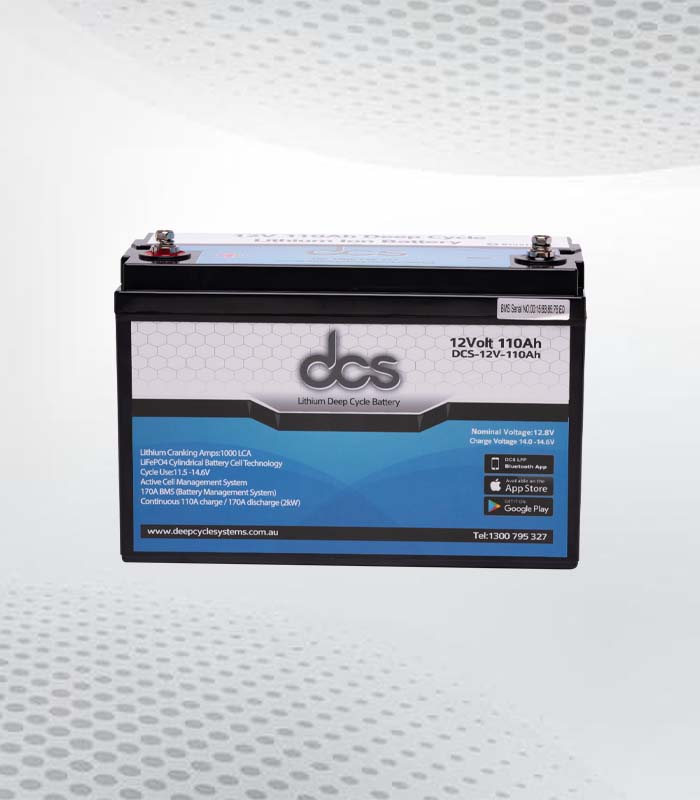 When venturing into deep-cycle marine batteries, it’s crucial to acquaint oneself with the various types available, each tailored to suit different marine needs.
- Firstly, we have the flooded lead-acid batteries, commonly used but requiring regular maintenance, including topping up with distilled water. These batteries are economical but demand careful handling due to the risk of acid spillage.
- Next, the Absorbed Glass Mat (AGM) batteries offer a step up in convenience and performance. AGM batteries are sealed, virtually maintenance-free, and boast superior vibration resistance, making them ideal for rough marine conditions. They can be mounted in any position, offer a lower self-discharge rate, and provide a quicker recharge time compared to flooded lead-acid batteries.
- Gel batteries form another category, distinguished by their gel electrolyte technology that eliminates leakage and reduces the risk of spillage. These batteries are also maintenance-free and provide consistent, reliable power in various temperatures, though they are typically more expensive and sensitive to charging parameters.
Lastly, Lithium-ion batteries represent the cutting edge in marine battery technology, offering the highest efficiency, longest lifespan, and most significant energy density. They are lightweight, maintenance-free, and boast a rapid recharge rate, though their initial investment is significantly higher than other types.
Selecting the Right Size Deep Cycle Battery Marine for Your Boat
Choosing the appropriate size for your Deep-Cycle Marine Battery ensures your boat operates efficiently without overburdening or underpowering your system. Begin by calculating the total amperage demand of your boat’s electrical accessories at their peak usage. This figure gives you a clear picture of your battery’s energy requirement.
Next, consider the battery’s Ampere Hour (Ah) rating, which indicates how much current a battery can deliver over a specific period. A higher Ah rating suggests a longer battery life between charges, making it crucial for extended outings or powering numerous accessories. Additionally, factor in the space available on your boat for housing the battery, as physical dimensions and weight could limit your options.
Opt for a Deep Cycle Battery Marine that fits within your space constraints and provides a suitable margin of power above your calculated needs to account for unexpected increases in demand or future additions to your boat’s electrical systems. These steps ensure you select a battery that aligns with both your power requirements and spatial limitations, thereby enhancing your boating experience without compromising on performance or safety.
Installation Tips for Marine Deep Cycle Batteries
Installing a Marine Deep Cycle Batteries in your boat is a straightforward process, yet it requires attention to detail to ensure safety and optimal performance. Here are five essential tips to guide you through the installation:
Select the Proper Location
Place the battery in a well-ventilated area of your boat to prevent the accumulation of potentially explosive gases. It should be mounted securely to avoid shifting or damage in rough conditions. Ensure the location is accessible for maintenance and inspection, protecting the battery from direct exposure to elements such as water and excessive heat.
Use Correct Fittings
Employ marine-grade battery terminals and connectors to prevent corrosion and ensure a secure connection. Insulated tools are also vital to avoid short circuits during the installation process.
Connect with Care
Always connect the positive (+) terminal first, followed by the negative (-) terminal to minimise the risk of sparking. Ensure cables are routed away from moving parts and securely fastened to prevent wear and tear.
Check Polarity
Before finalising connections, double-check the polarity of the battery cables to prevent potential damage to the boat’s electrical system. Incorrect polarity can lead to serious safety hazards and equipment failure.
Verify the Installation
Once installed, inspect the setup thoroughly for any loose connections or potential issues. Test the battery by turning on a light or a small device before using it to power more significant systems in your boat. This step confirms the successful installation and readiness of the battery for use.
Charging Your Deep-Cycle Marine Battery Correctly
Charging your Deep-Cycle Marine Battery precisely is essential for its longevity and performance. Employ a charger specifically designed for deep-cycle batteries to match their unique charging needs. Begin by ensuring the battery is clean, and connections are secure.
Follow the manufacturer’s guidelines for charging cycles and do not exceed the recommended charging time. Overcharging can lead to battery damage, while undercharging may result in insufficient power for your needs. It’s also wise to monitor the charging process to prevent any issues that could arise. Regular, correct charging practices will maintain the health of your battery and ensure it is ready for use when needed.
Maintaining Your Deep-Cycle Marine Battery
Conduct regular maintenance checks to ensure the enduring performance of your Deep-Cycle Marine Battery. This includes verifying water levels in batteries that require it and ensuring they remain within recommended limits. Terminals should be kept clean and free from corrosion, a task achievable with a mixture of bicarbonate of soda and water.
Additionally, inspect the battery casing for cracks or bulges, which may indicate internal damage or failure. Secure connections should be checked to prevent power loss and potential safety hazards. Adopting these maintenance practices will significantly contribute to the reliability and longevity of your marine battery, safeguarding your boating adventures.
Furthermore, regular battery charging, especially during off-season storage, ensures your battery’s health and optimises power output, keeping you primed for the next sailing season. Indeed, a well-maintained battery is the key to unlocking your boat’s full potential.
Troubleshooting Common Deep-Cycle Marine Battery Problems
Navigating the challenges that can arise with Deep Cycle Marine Batteries is essential for maintaining their efficiency. If you encounter issues such as sulphation—where lead sulphate crystals accumulate, reducing the battery’s capacity—addressing them promptly is key. Utilising a desolator or engaging in controlled overcharging under supervision can reverse some effects.
For undercharging, verify the charger’s compatibility and ensure it delivers the correct voltage. If overcharging is a concern, inspect the charger’s settings and the battery’s temperature to avoid overheating. Should the battery exhibit diminished performance, conducting a load test can help determine its health and capacity. Recognising and responding to these issues swiftly will help preserve the battery’s longevity and functionality.
The Impact of Temperature on Your Deep-Cycle Marine Battery
Temperature extremes play a pivotal role in the efficacy and longevity of your Deep-Cycle Marine Battery. High temperatures can accelerate the chemical reactions within the battery, leading to increased self-discharge rates and potential thermal runaway, which might damage the battery irreversibly.
Conversely, cold conditions can significantly reduce the battery’s capacity to hold a charge, thus diminishing its performance. It’s essential to shield your battery from extreme heat and cold to mitigate these effects, ensuring it operates within its optimal temperature range. Regularly monitoring the battery’s environment can prevent temperature-related degradation, maintaining its health and functionality over time.
How to Properly Store Your Best Deep Cycle Marine Battery
Proper storage of your Deep Cycle Marine Battery during the off-season or extended periods of inactivity is essential to maintain its performance and prolong its lifespan. Firstly, ensure the battery is fully charged before storage; this helps prevent the gradual self-discharge that can lead to sulphation, a condition detrimental to battery health.
Once charged, disconnect the Best Deep Cycle Marine Battery from the boat to eliminate any parasitic drains that might deplete its charge over time. It is advisable to store the battery in a cool, dry environment, shielded from extreme temperatures and direct sunlight. Fluctuations in temperature can accelerate the battery’s degradation process, so a stable, controlled environment is preferable.
Additionally, it’s beneficial to check the battery’s charge level periodically during storage and top it up if necessary. This practice helps maintain the battery in an optimal state, ready for immediate use when needed. Remember, while storing your battery, keep it away from sources of ignition or objects that could potentially cause short circuits. By following these guidelines, you ensure the health and readiness of your Deep-Cycle Marine Battery, securing its readiness for future boating adventures.
Clean and Inspect the Battery
Maintaining cleanliness and regular inspections of your Deep-Cycle Marine Battery is imperative for its enduring performance. Gently clean the terminals with a solution of bicarbonate of soda and water to ensure they are devoid of corrosion.
Inspect the battery for signs of wear, leaks, or any damage to the casing, as these could compromise its functionality. Such vigilance prolongs the battery’s life and safeguards the boat’s electrical system. Keeping the battery pristine ensures its reliability for your maritime adventures.
Charge the Battery Fully
Ensuring your Deep-Cycle Marine Battery is charged to its maximum capacity before each outing is crucial for its efficiency and longevity. An incomplete charge reduces the battery’s output and risks the integrity of its cells, potentially leading to premature failure.
Utilise a charger compatible with your battery’s specifications to achieve a full charge, adhering to the manufacturer’s guidelines. This proactive measure not only enhances your battery’s performance but also safeguards against the gradual decline in capacity, ensuring that your marine adventures are powered effectively and reliably.
Store in a Cool, Dry Place
When not in use, storing your Deep-Cycle Marine Battery in an environment that protects it from the adverse effects of temperature and humidity is essential. An ideal storage location would be a space that remains consistently cool and lacks direct sunlight or moisture exposure. This specific measure is designed to mitigate potential degradation or damage caused by environmental factors, thereby preserving the operational integrity and extending the battery’s lifespan.
Furthermore, ensuring the storage area is dry prevents corrosion to the battery terminals, a factor crucial for maintaining electrical efficiency and preventing unnecessary power drains. This approach aids in keeping the battery in a state of readiness for future maritime endeavours, guaranteeing its performance remains uncompromised.
Periodic Maintenance
Regular upkeep is essential for the enduring efficacy of your Deep-Cycle Marine Battery. Check the electrolyte levels for batteries that require it, and ensure terminals are devoid of corrosion with a gentle cleaning using a bicarbonate of soda and water mixture.
Inspecting the battery for external damage or signs of wear is also crucial. Performing these maintenance tasks at routine intervals guarantees the battery’s operational integrity and extends its lifespan, ensuring it remains a reliable power source for your maritime excursions.
Common Mistakes to Avoid with Your Deep-Cycle Marine Battery
Neglecting the upkeep of your Deep-Cycle Marine Battery can lead to diminished performance and shortened lifespan.
- A frequent oversight is failing to regularly check and maintain the electrolyte levels in batteries that necessitate it, leading to irreversible damage. Additionally, incorrect charging practices, such as using a charger unsuitable for deep-cycle batteries, can adversely affect the battery’s health.
- Exposing the battery to extreme temperatures or improper storage conditions also ranks highly among common missteps.
- Ignoring the signs of wear and corrosion on terminals can disrupt the connection, causing inefficient power use and potential safety hazards.
- Steering clear of these errors will help preserve your marine battery’s operational efficiency and durability.
Essential Accessories for Your Marine Deep Cycle Marine Battery
Equipping your marine deep cycle battery with the right accessories can significantly enhance its performance and longevity. Here are five essential accessories to consider:
Battery Box
A sturdy battery box will protect your Marine Deep Cycle Marine Battery from the harsh marine environment, reducing the risk of damage from water, salt, and other corrosive elements. It also adds an extra layer of safety by containing potential leaks and preventing short circuits.
Smart Battery Charger
Invest in a smart charger specifically designed for deep-cycle marine batteries. These chargers adapt the charging rate to the battery’s condition, ensuring optimal charging without overcharging or undercharging, which can extend the battery’s lifespan.
Battery Monitor
A battery monitor lets you monitor the battery’s charge, voltage, and health in real-time. This tool is invaluable for preventing deep discharges and ensuring you never run unexpectedly low on power.
Solar Panels
Solar panels can provide a continuous trickle charge to your battery for long excursions or live-aboard situations, keeping it topped up and ready for use without the need for mains power.
Marine-Grade Terminal Covers
Protect the battery terminals with marine-grade covers to prevent accidental short circuits and reduce the risk of corrosion caused by the marine environment. These covers are a small investment that can prevent costly repairs and replacement. Each of these accessories plays a vital role in ensuring your deep cycle marine battery delivers reliable power throughout its life, making them indispensable for any serious boater.
Conclusion
Embarking on a journey to enhance your boat’s electrical system begins with a pivotal choice: selecting a Deep Cycle Marine Battery. This critical decision impacts not only the performance but also the efficiency of your vessel’s power supply. Throughout this guide, we have navigated the intricate aspects of identifying, installing, and maintaining the ideal marine battery, ensuring it serves your boating needs effectively. By embracing these insights and adopting diligent care practices, your marine adventures are set to be powered by a reliable, enduring energy source, marking a significant step towards achieving an optimised boating experience.
FAQs
Q: How often should I charge my deep-cycle marine battery?
A: Charge your battery after every use to ensure it remains at optimum capacity. For prolonged storage, a monthly top-up charge is recommended to maintain health.
Q: Can I use a regular car battery charger for my deep-cycle marine battery?
A: It is not recommended. Deep-cycle batteries have specific charging requirements, and using a charger designed for them ensures they are charged safely and efficiently.
Q: How long does a deep cycle marine battery last?
A: The lifespan varies based on usage, maintenance, and type but typically ranges between 4 to 8 years. Proper care can extend this period.
Q: Can deep-cycle marine batteries be used in series or parallel?
A: Yes, batteries can be connected in series to increase voltage or parallel to increase capacity (Ah), depending on your needs. Ensure all batteries are of the same type and age for optimal performance.
Q: Is it necessary to fully discharge my Deep Cycle Battery Marine before recharging?
A: No, deep cycle batteries perform best when not fully discharged. Recharging before they are empty will enhance their lifespan and efficiency.
| Other Good Articles to Read |
| Blogs-Nation |
| Blogs-Peoples |
| Bryan Smith Blogs |
| intellect blogs |
| the fault in our blogs |
| blogs eu |
| oz forums |
| recruitment blogs |
| zet blogs |
| id blogs |
| Blog Studio legale |
| blogs map |
| Related Business Listings |
| Directory Submissions |
| Regional Directory |
