


Mould growth is a common problem faced by many homeowners in Sydney. Not only does it cause damage to the structure of the house, but it can also pose serious health risks to the inhabitants. As such, homeowners need to be proactive in preventing mould growth. In this comprehensive guide on Sydney Mould Prevention, you will learn about the causes and signs of mould and effective methods to stop its growth. With the right knowledge and action, you can keep your home free from the harmful effects of mould.
Understanding Mould and Its Impact on Health
Mould, a ubiquitous fungus, finds its way into homes, thriving in damp conditions and lacking adequate ventilation. This growth is not merely a cosmetic issue but a significant health concern. When mould spores become airborne, they pose a risk to respiratory health, particularly to individuals with asthma, allergies, or compromised immune systems.
Exposure to these spores can exacerbate or trigger allergic reactions, leading to symptoms such as sneezing, coughing, and itchy eyes. In more severe cases, it can cause asthmatic episodes or lead to respiratory infections. The health impacts of mould are not underestimated, as prolonged exposure can lead to more serious health issues.
Individuals must recognise the potential health risks of mould in their living environments. Residents can significantly reduce the risk of mould growth and its associated health implications by taking proactive steps to minimise moisture and improve air circulation within their homes.
Common Causes of Mould in Sydney Homes
In Sydney, the primary catalysts for mould infestation within homes are closely linked to the city’s unique climate and certain architectural characteristics. High humidity levels, particularly during the warmer months, provide a conducive environment for mould to flourish.
Inadequate ventilation exacerbates the problem, trapping moist air inside and creating pockets of dampness in various parts of a house. Leaks in roofing, plumbing, and window frames introduce water and moisture into the structure of buildings, feeding the growth of mould. Condensation, common on windows and walls in cooler weather, further contributes to the moist conditions favoured by mould spores.
Homes in areas with poor drainage or those subject to flooding are at increased risk, as standing water around or under the house can seep into the foundation, promoting mould development. Finally, everyday activities such as cooking, showering, and drying clothes indoors without proper ventilation add to the moisture level within the home, inadvertently supporting the proliferation of mould.
Signs of Mould Infestation to Watch For
Detecting a mould infestation early can significantly mitigate its impact on the health of inhabitants and the property’s structural integrity. Indicators of a mould issue are not always overt and can sometimes manifest in subtle, easily overlooked ways. A pervasive musty odour is often the first sign that mould is present, even if it is not immediately visible. This distinctive smell can permeate the home, indicating mould growth within walls, carpets, or other hidden areas.
Visible signs include the appearance of discoloured patches or streaks on walls, ceilings, and other surfaces. Depending on the type of mould, these can range in colour from black and green to white and orange. Such discolouration often signifies a more significant infestation that requires immediate attention. Recognising these signs is crucial in addressing mould issues before they escalate.
Ventilation Solutions to Combat Mould
Effective ventilation prevents mould growth by reducing moisture levels within the home. Here are five key ventilation solutions that residents of Sydney can consider to maintain a mould-free environment:
Cross Ventilation
Ensure windows and doors on opposite sides of the room can be opened to allow natural airflow, effectively reducing humidity and airborne mould spores.
Extractor Fans
Installing extractor fans, particularly in high-moisture areas such as bathrooms and kitchens, helps to expel damp air directly outside, preventing it from circulating within the home.
Window Vents
Window vents can be a practical solution for continuous low-level ventilation, especially in rooms where windows are frequently closed, such as bedrooms.
Whole-House Ventilation Systems
These systems provide a controlled way of ventilating an entire home, with options such as heat recovery ventilators (HRVs) that can also improve energy efficiency while reducing humidity.
Dehumidifiers
While not strictly a ventilation solution, dehumidifiers complement the above methods by actively removing moisture from the air, particularly in areas prone to dampness or where other ventilation solutions are impractical.
By integrating these ventilation strategies, Sydney homes can significantly diminish the risk of mould growth, contributing to healthier living conditions.
Leak Detection and Repair
Regular inspections for potential leaks are pivotal in the fight against mould in Sydney homes. Plumbing fixtures, roofs, and windows are common culprits for water intrusion that, if left unchecked, create ideal conditions for mould growth. Identifying these leaks early can prevent structural damage and the health risks of mould exposure. Immediate repair of any identified leaks is essential to halt moisture accumulation.
Homeowners are encouraged to closely monitor areas prone to water exposure and act swiftly upon discovering any signs of leakage. Regular maintenance schedules for these areas can significantly reduce the risk of mould development. Engaging professionals to assess and repair complex leaks ensures that the issue is thoroughly addressed, safeguarding homes from the detrimental effects of moisture and mould.
Professional Mould Assessment and Removal
When mould infestation reaches severe levels, the engagement of professional services for mould assessment and removal becomes crucial. Specialists in the field come equipped with advanced techniques and tools that are pivotal for the safe and effective eradication of mould. These professionals conduct comprehensive assessments to identify the full extent of the mould issue, including areas that are not immediately visible to the average homeowner.
Their expertise allows them to determine the underlying causes of mould growth, ensuring that remedial actions address the symptoms and root causes. The removal process employed by these experts adheres to stringent safety standards, minimising the risk of mould spores spreading during the elimination phase.
Furthermore, they can offer tailored advice on prevention strategies specific to the property’s conditions, helping to avert future occurrences. Engaging professionals for mould assessment and removal is an investment in the property’s longevity and its occupants’ health, providing peace of mind that the issue has been resolved.
Choosing Mould-Resistant Materials for Home Improvements
In the quest to fortify homes against the relentless threat of mould, selecting materials during renovation or construction phases is paramount. Introducing mould-resistant paint, plasterboard, and insulation emerges as a proactive measure, steering homes away from potential infestation zones.
These materials have been ingeniously designed to impede mould growth, offering a layer of defence that complements other moisture control strategies. Mould-resistant paint, for instance, contains additives that discourage mould formation on painted surfaces, whilst mould-resistant plasterboard and insulation are fabricated to withstand moisture penetration, reducing the likelihood of mould development.
Such selections are particularly advisable in areas prone to dampness, such as bathrooms, kitchens, and basements, where mould proliferation is higher. Adopting these materials contributes to a healthier indoor environment and enhances the durability of the home’s structure, marking a prudent step in any renovation or building project.
The Importance of Outdoor Mould Prevention Strategies
The battle against mould does not confine itself to the interiors of a Sydney home; outdoor areas play a significant role in either fostering or deterring the spread of this persistent fungus.
Proper maintenance of gardens and exterior spaces is critical in preventing mould from finding its way indoors. By keeping trees and bushes well-trimmed and away from the property’s structure, sunlight and air circulation around the building are improved, thereby reducing dampness and humidity levels in mould spores.
Ensuring that the property has adequate drainage systems is another pivotal strategy. This includes regularly cleaning gutters and downpipes to prevent water from pooling around the foundation, which can seep into basements and crawl spaces, creating ideal conditions for mould growth. These outdoor mould prevention strategies are foundational to safeguarding the home against mould encroachment, thereby protecting the property’s structural integrity and its inhabitants’ health.
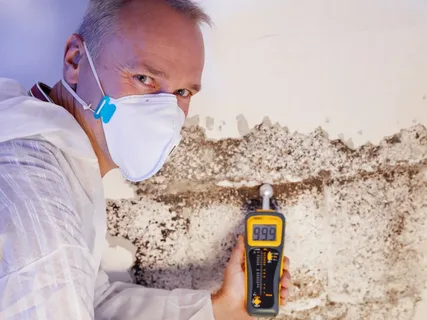 Essential Mould Prevention Sydney Tips
Maintaining indoor humidity levels below 60% is a key strategy in Mould Prevention Sydney, as high moisture content in the air significantly contributes to mould growth. This can be achieved through dehumidifiers and ensuring adequate ventilation across all home areas, particularly in kitchens, bathrooms, and other damp-prone areas.
Addressing leaks without delay is critical; whether they stem from plumbing fixtures, roofs, or windows, a swift repair can halt the progress of moisture accumulation that mould thrives on—incorporating ventilation improvements, such as extractor fans in bathrooms and kitchens, removes excess moisture from these high-humidity zones, further impeding mould’s ability to establish itself.
Regular cleaning and diligent inspections of areas susceptible to mould growth are crucial in early detection and prevention. By adopting these proactive measures, individuals can significantly reduce the risk of mould infestation, contributing to a healthier and more comfortable living environment.
Legal Aspects of Mould in Sydney Rentals
In Sydney, mould in rented properties is a significant concern that falls under the purview of tenancy laws. Landlords are responsible for ensuring that the living conditions within their properties do not pose health risks to tenants. This legal obligation includes addressing mould issues as they arise to prevent adverse health effects and maintain the property’s integrity.
Failure to act upon reports of mould can lead to legal repercussions, including claims for compensation if tenants suffer health problems or property damage. Landlords and tenants must know their rights and responsibilities about mould, facilitating prompt and effective resolution of such issues. The emphasis on a collaborative approach underscores the importance of maintaining open lines of communication, ensuring that properties remain safe and habitable for all occupants.
Conclusion
In conclusion, tackling mould growth in Sydney homes demands a comprehensive approach that encompasses understanding its causes, recognising early signs, and implementing effective prevention strategies. Ventilation improvements, moisture control, regular maintenance, and the reasonable selection of building materials are pivotal in creating environments inhospitable to mould. Moreover, engaging professional Sydney Mould Prevention services, when necessary, underscores the importance of addressing both the symptoms and underlying causes of mould infestation. By adopting these measures, individuals can safeguard their homes and health against the insidious effects of mould, ensuring a safer and more comfortable living space.
FAQs
What is the optimal indoor humidity level to prevent mould growth in Sydney homes?
Maintaining indoor humidity levels below 60% is advised to reduce the risk of mould proliferation significantly.
How can one detect hidden mould in Sydney properties?
A pervasive musty odour, unexplained respiratory symptoms among inhabitants, and persistent dampness or condensation are key indicators of hidden mould infestation.
Are there specific materials that help in Mould Prevention Sydney during home renovations?
Incorporating mould-resistant paint, plasterboard, and insulation materials is a proactive step in Mould Prevention Sydney, especially in damp areas.
What role does ventilation play in preventing mould in Sydney homes?
Enhancing air circulation through extractor fans, cross ventilation, and installing window vents or whole-house ventilation systems is crucial in managing moisture levels, thereby deterring mould growth.
When should a professional mould removal service be contacted?
To ensure safe and effective remediation, it is recommended to engage professional services when mould infestation is extensive, the source of moisture is unknown, or health risks to inhabitants are a concern.
| Other Good Articles to Read |
| Blogs-Nation |
| Blogs-Peoples |
| Bryan Smith Blogs |
| intellect blogs |
| the fault in our blogs |
| blogs eu |
| oz forums |
| recruitment blogs |
| zet blogs |
| id blogs |
| Blog Studio legale |
| blogs map |
| Related Business Listings |
| Contact Directory |
| Local Business Profiles |

