


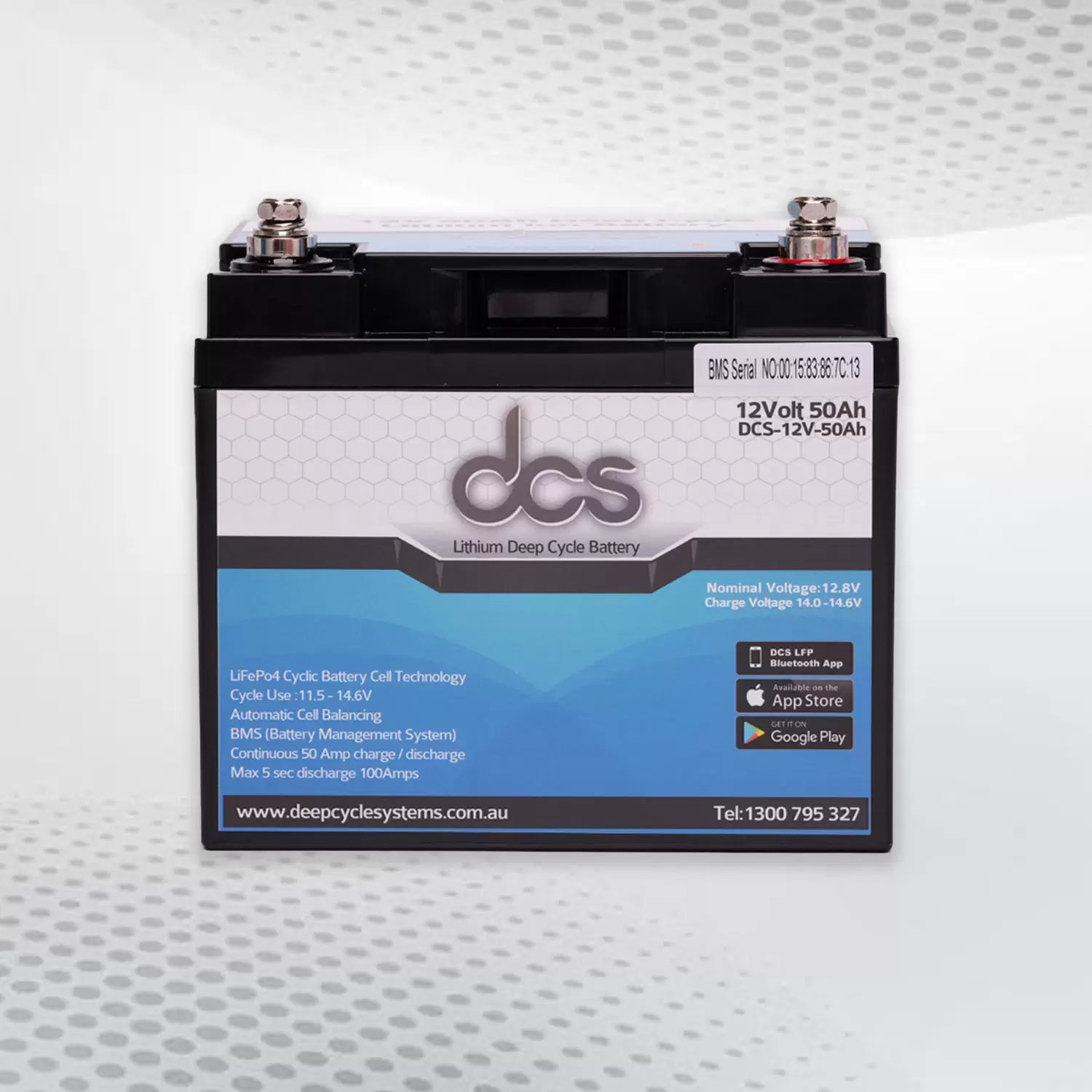
The advancement of technology has paved the way for innovative solutions in the field of energy storage, with lithium-ion batteries leading the charge. Among these, the 50ah Lithium Ion Battery has emerged as a game-changer, revolutionising the power sector and transforming various industries. With their high energy density and long cycle life, these batteries are set to shape the future of energy storage. This blog explores the potential impact of 50-ah Lithium-Ion Batteries on electric vehicles, renewable energy integration, sustainability, reliability, growth, cost efficiency, market penetration, and performance.
Revolutionising Mobility: The Impact on Electric Vehicles
The rise of electric vehicles (EVs) signifies a significant shift in the landscape of the automotive industry, largely fuelled by the adoption of 50-ah Lithium-Ion Batteries. These energy storage systems have been pivotal in enhancing the appeal and practicality of EVs, presenting a leap forward in the quest for sustainable transport solutions. By enabling longer driving ranges and reducing charging times, these batteries address two of the most pressing concerns that have historically limited the uptake of electric vehicles.
With the implementation of 50-ah Lithium-Ion Batteries, electric vehicles now offer performance parameters that rival, and in some cases surpass, their fossil-fuelled counterparts. This has not only captured the imagination of the consumer market but also prompted a reevaluation of electric vehicles by commercial fleets looking for efficient and cost-effective transport options. The positive implications for carbon emission reduction and urban air quality are profound, aligning closely with global sustainability targets.
The role of 50-ah Lithium-Ion Batteries in electric vehicles extends beyond mere functionality. They are a cornerstone in the transition towards a more energy-resilient society, underpinning advancements in vehicle-to-grid (V2G) technologies. This emerging paradigm, where electric vehicles contribute to the stability of the electrical grid by storing and returning energy, is predicated on the high capacity and reliability of lithium-ion batteries.
 Applications Transforming Industries
50-ah Lithium-Ion Batteries are at the forefront of a technological revolution, bringing about significant transformations across a broad spectrum of industries beyond the automotive sector. In the aerospace industry, these batteries are celebrated for their exceptional power-to-weight ratio, making them indispensable for applications where weight is a critical factor. Their high energy density enables longer flight times for drones and more efficient power management in spacecraft, illustrating their pivotal role in pushing the boundaries of exploration and innovation.
In the maritime domain, the adoption of 50-ah Lithium-Ion Batteries is instrumental in advancing the development of electric and hybrid marine vessels. By providing a reliable and potent source of energy, these batteries facilitate a reduction in fuel consumption and emissions, contributing to cleaner and more sustainable oceans. Furthermore, the marine industry benefits from the batteries’ resilience and capability to withstand harsh conditions, thereby enhancing safety and operational efficiency at sea.
The impact of these batteries extends to the energy sector, particularly in grid energy storage. As the world shifts towards renewable energy sources, the need for robust energy storage solutions becomes increasingly critical. 50-ah Lithium-Ion Batteries offer a viable answer to this challenge, enabling the storage of surplus energy generated from renewable sources such as wind and solar power.
The Role in Renewable Energy Integration with Li Ion 50ah
In the pursuit of a more sustainable and environmentally friendly energy landscape, the integration of renewable energy sources such as solar and wind power has become a priority. Central to this endeavour is the requirement for robust and efficient energy storage solutions that can effectively manage the inherent variability and intermittency of these renewable resources. Here, the capabilities of Li Ion 50ah become invaluable, serving as a linchpin in the seamless incorporation of green energy into the grid.
These batteries provide a flexible and dynamic means of storing excess energy generated during peak production times, which can then be utilised when demand surpasses immediate supply or production wanes. Such a mechanism is crucial for maintaining the balance and stability of the energy grid, especially as the share of renewable sources in the energy mix grows. Furthermore, the deployment of 50-ah Lithium-Ion Batteries in renewable energy systems exemplifies a significant step forward in mitigating the carbon footprint of power generation, aligning with global objectives to combat climate change.
The high energy density of these lithium-ion batteries means that large amounts of energy can be stored in relatively small systems, making them ideal for integration with both large-scale renewable energy projects and smaller, localised grid solutions.
Environmental Impact and Sustainability
The integration and widespread adoption of 50-ah Lithium-Ion Batteries signify a notable advancement in efforts towards environmental sustainability and the reduction of global carbon emissions. Their role in various sectors, particularly in electric vehicles (EVs) and renewable energy systems, positions these batteries as pivotal elements in the transition to a more sustainable and greener future. Below are key points highlighting the environmental impact and sustainability advantages of 50-ah Lithium-Ion Batteries:
Reduction in Greenhouse Gas Emissions
By facilitating the shift to electric vehicles and the storage of renewable energy, these batteries help significantly reduce the reliance on fossil fuels, subsequently lowering the emissions of carbon dioxide and other harmful greenhouse gases.
Energy Efficiency
Lithium-Ion Batteries, with their high energy density, ensure that energy storage and consumption are more efficient. This efficiency minimises energy wastage during storage and retrieval, contributing to lower overall energy consumption.
Support for Renewable Energy
Their ability to store excess energy generated from renewable sources like solar and wind during peak times and releases it during demand surges aids in the effective utilisation of renewable energy, reducing the need for non-renewable power plants.
Recyclability
Advances in recycling technologies for lithium-ion batteries enhance the sustainability of these batteries by allowing for the recovery of valuable materials, thus reducing the need for new raw materials and minimising waste.
Lifecycle
The longer lifecycle of 50-ah Lithium-Ion Batteries compared to traditional battery technologies results in a lower environmental footprint over their entire lifespan, as fewer replacements are needed.
Reduced Pollution
By powering electric vehicles and systems that traditionally relied on combustion engines, these batteries contribute to a significant decrease in air pollution, leading to cleaner air quality in urban and rural settings.
These sustainability benefits underscore the importance of 50-ah Lithium-Ion Batteries in the ongoing quest for environmental stewardship and the global transition towards more sustainable energy practices.
Enhancing Reliability: Durability of Lithium-Ion Batteries
The durability and longevity of 50-ah Lithium-Ion Batteries have marked a significant milestone in the quest for reliable energy storage solutions. These batteries are distinguished by their superior cycle life and high energy density, features that render them more efficacious and economical over time compared to their predecessors. The resilience of lithium-ion batteries underpins a steady and dependable power supply, effectively minimising downtime and associated maintenance costs for a plethora of applications.
A defining characteristic of 50-ah Lithium-Ion Batteries is their ability to maintain consistent performance over numerous charge-discharge cycles. This robustness is crucial for applications where reliability is paramount, such as in critical medical devices, emergency power systems, and remote telecommunications infrastructure. The assurance of durability also extends to less controlled environments, where batteries are subjected to extreme temperatures, vibrations, and other challenging conditions.
Moreover, the technological evolution underpinning lithium-ion batteries has led to significant improvements in their structural integrity and operational safety. Innovations in battery management systems (BMS) have further enhanced the reliability of these batteries by preventing issues such as overcharging, deep discharging, and overheating, which historically compromised the lifespan and performance of lesser batteries.
Unlocking Growth: The Potential of Li Ion Battery 50ah
The proliferation of Li Ion Battery 50ah is spearheading an era of unparalleled growth within the energy storage sector. This surge is primarily attributed to the batteries’ ability to cater to the escalating demand for efficient and reliable power sources across a spectrum of applications. Industries on the brink of energy transformation, from automotive to renewable energy sectors, are witnessing a significant uptick in efficiency and productivity, courtesy of these advanced energy storage solutions.
The global market’s trajectory for lithium-ion batteries underscores a burgeoning demand, propelled by the shift towards electrification and sustainable energy solutions. The advent of 50-ah Lithium-Ion Batteries is instrumental in this shift, offering a blueprint for innovation and sustainable development. With energy density and reliability at their core, these batteries are pivotal in powering electric vehicles, supporting renewable energy integration, and enhancing grid stability.
Moreover, the potential of these batteries extends to fostering economic growth and competitiveness. By fuelling advancements in energy storage, lithium-ion batteries are enabling industries to overcome traditional barriers to entry and operation, thus paving the way for new business models and market expansion. This dynamic shift is not only driving technological innovation but is also propelling industries towards achieving greener and more sustainable operations.
Cost Efficiency and Market Penetration
The economic aspect of 50-ah Lithium-Ion Batteries plays a crucial role in their widespread adoption across diverse sectors. Initially, the investment in these batteries might appear elevated when compared to traditional energy storage options, such as lead-acid batteries. However, the narrative shifts significantly when considering the lifespan and operational efficiencies these batteries bring. The superior longevity and reduced maintenance requirements of lithium-ion technology ensure that the total cost of ownership is markedly lower, highlighting their cost-effectiveness over time.
As production techniques have advanced and the adoption of lithium-ion batteries has grown, manufacturing costs have begun to see a downward trajectory. This reduction in cost is partly due to economies of scale, as increased production meets the rising demand for efficient, high-capacity batteries. Such economic dynamics are set to further drive down the prices, enhancing the market accessibility of 50-ah Lithium-Ion Batteries for both commercial and consumer applications.
The enhanced market penetration of these batteries is also underpinned by their versatile utility across a wide range of industries, from automotive to renewable energy systems. As the global marketplace continues to recognise the inherent advantages of lithium-ion batteries in terms of energy efficiency and operational cost savings, their adoption is poised to increase. This trend is indicative of a broader shift towards more sustainable and cost-effective energy storage solutions, cementing the position of 50-ah Lithium-Ion Batteries as a cornerstone of modern energy infrastructure.
Boosting Performance: Advantages of Lithium-Ion Batteries
The performance of 50-ah Lithium-Ion Batteries is bolstered by a range of technical advancements and inherent properties that make them a superior choice for a myriad of applications. Below are the key advantages highlighted through bullet points?
High Energy Density
These batteries store more energy for their size than most other battery technologies, enabling devices and vehicles to operate longer on a single charge.
Rapid Charging Capability
Compared to traditional batteries, lithium-ion variants charge significantly faster, reducing downtime for devices and vehicles.
Lower Self-Discharge Rate
They exhibit a much slower loss of charge when not in use, ensuring stored power lasts longer.
Enhanced Safety Features
Advances in battery management systems (BMS) and chemistry have significantly improved the safety of lithium-ion batteries, reducing the risk of overheating and potential thermal events.
Temperature Tolerance
Lithium-ion batteries maintain performance across a wide range of temperatures, making them suitable for use in diverse environments, from hot climates to cold ones.
Minimal Memory Effect
They are less prone to the memory effect, a phenomenon where batteries lose their maximum energy capacity if not fully discharged before being charged again.
Longevity
With a higher number of charge/discharge cycles, 50-ah Lithium-Ion Batteries tend to have a longer lifespan compared to conventional batteries.
Eco-Friendly Option
Owing to their efficiency and longer life cycles, these batteries have a comparatively lower environmental impact over their lifetime. This array of advantages underscores the superior performance capabilities of 50-ah Lithium-Ion Batteries, underpinning their pivotal role in driving forward technological innovation and sustainability across various sectors.
Conclusion
In the panorama of energy storage and technology advancement, 50ah Lithium Ion Battery stand as beacons of innovation, leading the way towards a more efficient, sustainable, and reliable future. Through their unparalleled energy density, durability, and adaptability across a myriad of applications, these batteries are not merely enhancing current industries but also pioneering the creation of new markets and opportunities. As the world gravitates increasingly towards green energy and sustainable solutions, the role of lithium-ion batteries becomes ever more critical.
FAQs
What makes 50ah Lithium Ion Battery a preferable choice for electric vehicles (EVs)?
50ah Lithium Ion Battery is highly favoured in the electric vehicle industry due to their superior energy density and rapid charging capabilities. They enable EVs to achieve longer ranges on a single charge and support faster recharge times compared to other battery technologies. This enhances the practicality and appeal of electric vehicles for both personal and commercial use, contributing significantly to the reduction of carbon emissions in the transportation sector.
How do 50-ah Lithium-Ion Batteries contribute to the integration of renewable energy sources?
Their high capacity for energy storage plays a crucial role in bridging the gap between the intermittent natures of renewable energy sources, such as solar and wind, and the constant demand for power. By storing excess energy generated during peak times, these batteries ensure a steady and reliable supply of electricity, even when production from renewable sources is low, thus facilitating a smoother transition to greener power grids.
Are 50-ah Lithium-Ion Batteries environmentally sustainable?
Yes, compared to traditional battery technologies, these lithium-ion batteries are more sustainable due to their longer lifecycle, higher efficiency, and greater energy density, which collectively result in a lower overall carbon footprint. Additionally, advances in recycling processes for lithium-ion batteries further mitigate environmental impact by enhancing the recovery and reuse of materials.
What advancements are improving the safety of 50-ah Lithium-Ion Batteries?
Safety in lithium-ion batteries has significantly advanced through innovations in battery chemistry, enhanced battery management systems (BMS), and improved structural designs that minimise the risk of overheating and potential thermal runaway. These developments ensure that 50-ah Lithium-Ion Batteries are not only efficient and high-performing but also adhere to stringent safety standards for a wide range of applications.
| Related Business Listings |
| Contact Directory |
| Local Business Profiles |

