


In today’s world, we constantly rely on our devices to keep us connected and productive. From smartphones to laptops, these devices require a reliable power source to keep them running. This is where the 80ah Lithium-Ion Battery comes in. This powerful and versatile battery has revolutionised how we power our devices, providing longer battery life and faster charging times. In this blog post, we will take a comprehensive look at the 80ah Lithium Ion Battery —from its features and benefits to its applications and maintenance.
Understanding the Basics of 80 ah Lithium Ion Batteries
Lithium-ion technology has become the standard in rechargeable batteries, offering superior performance compared to older battery types. Central to its appeal is the combination of high energy density and longevity, which makes the 80ah Lithium-Ion Battery a prime candidate for a plethora of applications.
With an 80 ampere-hour (Ah) capacity, this type of battery can store considerable energy, making it particularly suited for devices and systems requiring sustained power over longer periods. Its lithium-ion chemistry ensures that it can undergo numerous charge and discharge cycles with minimal loss in efficiency, setting it apart from other options on the market.
Its compactness and light weight also augment its versatility, allowing it to be easily integrated into various settings, from mobile gadgets to larger-scale energy systems. Understanding the core characteristics of the 80ah Lithium-Ion Battery, including its operational parameters and energy storage capabilities, is essential for users looking to harness its full potential in their specific applications.
Why Choose an 80ah Lithium-Ion Battery for Your Needs
Opting for an 80Ah Lithium-Ion Battery presents many benefits tailored to meet diverse power requirements efficiently. Its high capacity is advantageous, ensuring that devices and systems operate for extended durations without recharging.
That makes it an exemplary choice for applications where power consistency and reliability are paramount. Moreover, its robust performance across various temperatures enhances its utility in multiple environments, from scorching heat to freezing conditions, without compromising efficiency.
The 80Ah Lithium-Ion Battery’s cycle life further underscores its appeal, providing users with the assurance of a long-term energy solution. Its ability to withstand numerous charge and discharge cycles without significant degradation ensures a cost-effective power source over time. Additionally, the environmental aspect cannot be overlooked.
Lithium-ion batteries, by design, offer a greener alternative to traditional battery types. Thanks to their rechargeable nature and longer lifecycles, they reduce waste and promote sustainability. In essence, the selection of an 80Ah Lithium-Ion Battery translates into a practical investment for those prioritising dependability, environmental responsibility, and operational efficacy in their energy storage needs.
Comparing 80ah Lithium Ion Batteries with Other Capacities
The 80ah Lithium-Ion Battery offers a unique proposition when considering the choice of lithium-ion batteries. Compared to smaller capacities, such as 40-ah or 50ah batteries, the 80-ah variant provides a significantly enhanced energy reserve, enabling extended operational periods for devices without requiring frequent recharges. That makes it suitable for more demanding applications with a critical continuous power supply.
On the other hand, when compared to larger capacities like 100ah or 200ah batteries, the 80ah model stands out for its balance between ample power storage and physical manageability. It retains a relatively compact and lightweight profile, ensuring ease of integration into various settings without the bulkiness associated with higher-capacity options.
This balance between power storage capability and physical dimensions highlights the 80ah Lithium-Ion Battery as a versatile choice that meets a broad spectrum of power requirements while maintaining a practical form factor. Therefore, users looking for a middle ground between prolonged energy supply and convenient handling will find the 80-ah battery a compelling option among the diverse lithium-ion battery capacities.
Essential Considerations before Purchasing a Lithium Ion Battery 80ah
Before purchasing a Lithium Ion Battery 80ah, especially one with a capacity of 80Ah, here are five essential considerations to keep in mind:
Quality and Reputation of the Manufacturer
Research the battery manufacturer. Look for reputable brands known for producing high-quality lithium-ion batteries. Check reviews, certifications, and reports on the manufacturer’s track record for safety and reliability.
Compatibility and Application
Ensure that the battery you’re considering is compatible with your intended application. Whether for a vehicle, solar energy storage, marine use, or other applications, ensure the battery meets the specific requirements and has the necessary features (such as voltage and size) for your needs.
Safety Features
Lithium-ion batteries can be unsafe if not properly designed and manufactured. Look for safety features such as built-in protection circuits to prevent overcharging, over-discharging, short circuits, and overheating. Certifications like UL (Underwriters Laboratories) or CE (Conformité Européenne) can also indicate adherence to safety standards.
Performance and Longevity
Consider the battery’s performance and longevity. Look for specifications such as cycle life (the number of charge-discharge cycles the battery can withstand), depth of discharge (how much of the battery’s capacity can be used before recharging), and self-discharge rate. A longer cycle life and lower self-discharge rate typically indicate a higher-quality battery.
Cost and Value
While price is important, it shouldn’t be the sole consideration. Evaluate the overall value of the battery, considering factors such as performance, longevity, warranty, and support services offered by the manufacturer. Paying more for a higher-quality battery can save you money in the long run by reducing the need for premature replacements or repairs.
How to Properly Install Your 80ah Lithium-Ion Battery
Ensuring the correct installation of your 80Ah Lithium-Ion Battery is pivotal for maximising its performance and longevity. Begin by consulting the manufacturer’s installation manual, which contains critical information tailored to your specific battery model.
Disconnect any power sources before initiating the installation process to safeguard against potential hazards. When positioning the battery, ensure it is securely mounted in a location that facilitates optimal temperature regulation, avoiding areas prone to extreme heat or cold, which can adversely affect its efficiency. Connect the battery to your device or system using high-quality cables and connectors to minimise resistance and potential energy loss.
Verify that the polarity is correct to prevent damage to both the battery and the device. If your setup includes multiple batteries in series or parallel, ensure that all connections are consistent and secure to maintain a stable power supply. Engaging a professional might be advisable if the installation process is beyond your comfort zone or expertise, as the correct installation is critical for your energy system’s safe and effective operation.
Tips for Maintaining and Extending the Life of Li Ion Battery 12v 80ah
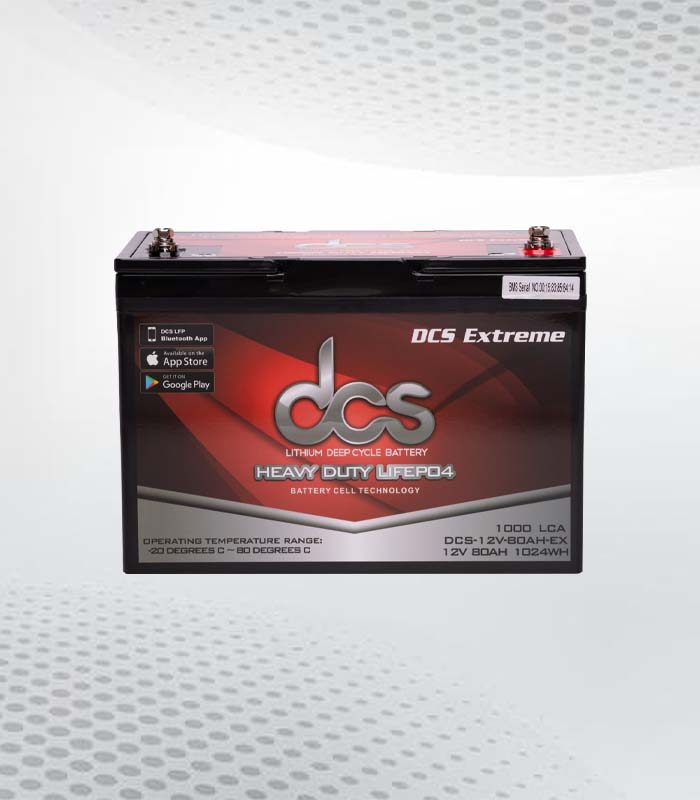 Maintaining and extending the lifespan of a 12v 80ah Lithium-Ion Battery requires adherence to several key practices. Initially, keeping the battery within its recommended temperature range is crucial. Extreme temperatures, both hot and cold, can have a detrimental effect on battery performance and longevity. Therefore, storing the battery in a temperate environment is advisable.
Another essential practice is regularly balancing the battery cells. Cell balancing ensures that each cell within the battery pack charges and discharges at an equal rate, promoting uniformity and preventing the premature aging of individual cells. It can be achieved using a battery management system (BMS) that balances the cells during charging cycles.
It is also important to avoid deep discharging the Li Ion Battery 12v 80ah. Lithium-ion batteries prefer partial discharge to deep discharge, so keeping the battery level between 20% and 80% can significantly extend its service life.
Additionally, ensure you’re using a charger compatible with your lithium-ion battery. Incompatible chargers can lead to improper charging, potentially harming the battery’s integrity and reducing its capacity over time.
Finally, periodic battery inspections should be conducted for any signs of wear, tear, or damage. Check connections and terminals for corrosion or loose fittings, which can lead to poor performance or safety hazards. Addressing these issues promptly can help maintain the battery’s efficiency and prolong its usable life.
Common Issues and Troubleshooting for 80ah Lithium-Ion Batteries
Lithium-ion batteries, including the 80Ah variant, are known for their robustness and longevity. However, like any technology, they may occasionally face issues. One common problem is a noticeable decline in the battery’s capacity over time, which could manifest as your device running out of power more quickly than expected. This is often a result of normal wear and tear, but ensuring the battery is not regularly deeply discharged can mitigate the effect.
Another issue might be experiencing sudden voltage drops, particularly under heavy loads. This can occur if the battery is nearing the end of its lifecycle or if there’s an imbalance among the cells. A battery management system (BMS) that offers cell balancing can help prevent such discrepancies.
Charging problems are also common. The battery may refuse to charge or do so at a slower pace. It could be due to an incompatible charger or a faulty charging circuit within the device. Always use a charger recommended by the battery manufacturer to avoid such issues.
Should you encounter these or other issues, consulting the battery’s user manual for troubleshooting tips is advisable. For more complex problems, contacting the manufacturer or a professional technician is recommended to ensure safety and prevent further damage to the battery.
The Advantages of 80Ah Lithium-Ion Batteries for Outdoor Activities
The robust capacity of 80Ah Lithium-Ion Batteries unlocks unparalleled benefits for outdoor enthusiasts and professionals. Their significant energy storage capacity ensures that devices such as GPS units, portable fridges, and camping lights remain powered for your adventure, eliminating the worry of frequent recharging.
The inherent lightweight and compact nature of these batteries makes them ideal companions for trekking, camping, and off-grid expeditions, where efficiency and portability are paramount. Moreover, their superior performance in diverse temperature ranges guarantees reliability, whether in the chilling heights of mountains or the scorching desert terrains. Their fast recharge capability also means less downtime waiting for batteries to charge and more time enjoying the great outdoors.
For those concerned about environmental impact, the rechargeable and long-lasting nature of 80Ah Lithium-Ion Batteries offers a greener alternative to disposable power sources, aligning with the ethos of sustainability and minimal ecological footprint prevalent in outdoor communities. Additionally, their durability and resistance to vibrations and shocks are particularly advantageous for activities involving rugged terrains, ensuring your power source remains intact and reliable, no matter where your adventures may lead.
Charging Your 12v 80ah Lithium Ion Battery: Best Practices and Timeframes
To optimise the charging process of your 12v 80ah Lithium-Ion Battery, employ a charger specifically designed for lithium-ion cells, ensuring it matches the battery’s specifications for voltage and current. Begin charging when the battery’s capacity drops to about 20% to prevent deep discharge, which can shorten its lifespan.
Charging time varies depending on the charger’s output; however, a standard charger replenishes the 12v 80ah Lithium Ion Battery fully in 4 to 6 hours. Avoid leaving it connected to the charger after reaching full capacity to prolong the battery’s life. Periodically, conduct a full charge cycle, from 20% to 100%, to calibrate the battery’s charging circuitry, enhancing its efficiency and performance. Following these guidelines helps maintain the battery’s health, ensuring optimal power and longevity for your devices and systems.
The Future of 80ah Lithium Ion Batteries in Technology and Sustainability
The trajectory of 80Ah lithium-ion batteries signifies a promising horizon for their integration into many new-age technologies and sustainable energy systems. As we strive towards a greener and more technologically advanced future, these batteries are poised to become pivotal in the electrification of transportation, renewable energy storage solutions, and the powering of increasingly energy-demanding devices.
Their superior energy density and commitment to sustainability through reduced carbon emissions and efficient recyclability align perfectly with global sustainability goals. Innovations in battery technology continue to enhance their performance, lifespan, and safety, promising an even greater role in fostering a sustainable and tech-forward society. The 80Ah lithium-ion battery not only epitomises the current state of battery technology but also illuminates the path towards a cleaner, more efficient, and technologically enriched future.
Conclusion
The 80Ah Lithium Ion Battery is a cornerstone in modern power storage solutions, blending efficiency with versatility across numerous applications. Its advantages, from extended durability to environmental sustainability, cater to a broad spectrum of energy needs, from everyday devices to outdoor activities and beyond. As we’ve explored its characteristics, benefits, and maintenance, it’s clear that investing in such technology not only enhances the reliability of our power sources but also aligns with a forward-thinking approach to energy use. Embracing this technology paves the way for a more sustainable and power-efficient future.
FAQs
Q: How long does an 80Ah Lithium-Ion Battery last on a single charge?
A: The duration will vary based on the device’s power consumption. For high-demand devices, it may last several hours, while for low-energy consumption devices, it could last significantly longer.
Q: Can I use an 80Ah Lithium Ion Battery for my solar panel system?
A: Yes, 80Ah Lithium-Ion Batteries are suitable for solar panel systems, providing a sustainable and efficient energy storage solution.
Q: Is it safe to leave the 80Ah battery charging overnight?
A: While these batteries have safety mechanisms, it’s recommended to avoid leaving them charging unattended for extended periods, particularly after reaching full charge, to maximise lifespan.
Q: Are there any special storage considerations for 80Ah Lithium-Ion Batteries?
A: Store in a cool, dry place away from direct sunlight. Avoid extreme temperatures to maintain optimal performance.
Q: How do I dispose of a 12v 80ah Lithium Ion Battery once it’s no longer functional?
A: Do not dispose of the general waste. Contact local waste management services for advice on recycling lithium-ion batteries and adhering to regulations and environmental considerations.
| Other Good Articles to Read |
| Niche Blogs Connect |
| Blogs 97 |
| Blog Stitution |
| Blogs Unplugged |
| Blogs Cotch Rouge |
| Blog Signatr |
| Blog Sintonias |
| Blog Zilla |
| Consumer Forums |
| Finance Forums |
| G Blogs |
| Too Blog |
| Related Business Listings |
| Directory Submissions |
| Regional Directory |

