



As the days grow shorter and the temperatures drop, our homes become a haven of warmth and comfort. But have you ever stopped to think about the air quality inside your home? that A significant amount of energy is wasted on heating and cooling stale, stagnant air that’s recycled throughout your home. This leads to higher energy bills and negatively impacts indoor air quality, causing discomfort and even health issues. However, there is a solution that can revolutionize the way you breathe, work, and live in your home. A hrv system is a game-changing technology that enhances energy efficiency, improves indoor air quality, and boosts overall comfort.
The Importance Of Indoor Air Quality
The air they breathe inside your homes is often filled with pollutants, allergens, and moisture that can significantly impact our health and comfort. In fact, indoor air can be up to five times more polluted than outdoor air, making it a breeding ground for respiratory problems, allergies, and other health issues.
This is especially true in modern homes, designed to be energy-efficient and airtight but can also trap stale air and pollutants inside. Poor indoor air quality can lead to various symptoms, from headaches and fatigue to respiratory issues and even long-term health problems.
Moreover, it can also affect the overall comfort and well-being of occupants, making it difficult to relax and enjoy their living space. By installing an HRV (Heat Recovery Ventilation) system, homeowners can breathe easily, knowing they are providing a healthy and comfortable indoor environment for themselves and their loved ones.
How Hrv- systems Work
At the heart of an HRV (Heat Recovery Ventilation) system is a clever technology that recycles the heat energy from your home’s stale air, maximizing energy efficiency and indoor comfort. Here’s how it works: Hrv- systems consist of two air streams, one that draws in fresh air from outside and another that extracts stale air from your home. As the stale air is pulled out, it passes through a heat exchanger, transferring heat energy to the incoming fresh air.
This process allows the warmth to be recovered and reused rather than lost to the outside. The fresh air, now warmed, is distributed throughout your home, providing a constant supply of clean, comfortable air. Meanwhile, the stale air is exhausted outside, taking moisture, pollutants, and odours with it.
This continuous exchange of air enhances indoor air quality. One way to reduce the load on your heating and cooling systems is to ensure your home is adequately insulated. This means sealing any cracks or gaps around windows and doors and adding additional insulation in the walls and attic.
Keep The Temperature Inside Your Home More Consistent
This will help keep the temperature inside your home more consistent, reducing the need for your heating and cooling systems to work as hard. Another way to reduce the load on your systems is to use a programmable thermostat. This allows you to set the temperature for different times of the day so your systems are not constantly running at total capacity.
Additionally, using energy-efficient appliances and light bulbs can help reduce your systems’ load. By using less energy, your heating and cooling systems do not have to work as hard to maintain a comfortable temperature.
Finally, regular maintenance and cleaning of your heating and cooling systems can also help reduce their workload and ensure they are running efficiently. This includes changing air filters, cleaning vents and ducts, and scheduling professional maintenance checks., resulting in significant energy savings and a more comfortable living space.
Benefits Of Heat Recovery Ventilator: Energy Efficiency And Comfort
Installing a heat recovery ventilator in your home can profoundly impact your energy efficiency and comfort levels. Incorporating an Hrv- system into your home’s design can reap many benefits that will leave you feeling cozy, calm, and cost-effective.
Reduced Energy Consumption
One of the most significant advantages of an Hrv- system is its ability to reduce energy consumption. By recovering heat from exhaust air and transferring it to fresh air, Hrv- systems minimize the need for heating and cooling, resulting in lower energy bills and a reduced carbon footprint.
Improved Indoor Air Quality
Hrv- systems work tirelessly to remove stale, polluted air from your home, replacing it with fresh, filtered air rich in oxygen. This improves indoor air quality and helps alleviate allergy and asthma symptoms, creating a healthier living environment for you and your family.
Enhanced Moisture Control
Excessive moisture in the home can lead to mould, mildew, and structural damage. Hrv- systems help to regulate moisture levels by removing excess moisture from the air, reducing the risk of these issues and ensuring a healthier, more comfortable living space.
Increased Comfort
By providing a consistent supply of fresh air, Hrv- systems help eliminate hot spots and cold drafts, creating a more comfortable and consistent indoor climate. This means you can enjoy a peaceful, relaxing environment free from the distractions of temperature fluctuations.
Long-Term Savings
The benefits of an Hrv- system extend far beyond the initial installation. By reducing energy consumption and minimizing the need for costly repairs, Hrv- systems can provide long-term savings that will continue to benefit you and your family for years.
How To Choose The Right Hrv- system For Your Home?
Selecting the right Heat Recovery Ventilation (HRV) system for your home can be daunting, especially with the numerous options available in the market. However, by considering a few key factors, you can make an informed decision that meets your specific needs and enhances your home’s energy efficiency and comfort.
First, assess the size of your home and the number of occupants to determine the required airflow rate. This will help you choose an Hrv- system that can effectively handle your home’s ventilation needs. Next, consider the climate and region you live in, as this will impact the type of system you need. For example, if you live in a humid environment, you may require an Hrv- system with a built-in dehumidification feature.
Additionally, think about the system’s noise level and aesthetic appeal and any specific features you may need, such as remote controls or smart sensors. By carefully evaluating these factors, you can find an Hrv- system that improves your home’s indoor air quality and energy efficiency and meets your unique needs and preferences.
Creating A Healthy And Energy-Efficient Home
Imagine coming home to a warm, cozy, and healthy living space that provides ultimate comfort and reduces your energy bills and environmental footprint. A heat recovery ventilation (HRV) system can achieve just that. Integrating an Hrv- system into your home creates a harmonious balance between energy efficiency and indoor air quality.
This results in a constant supply of fresh, clean air, free from pollutants and allergens, making your home a healthier and more comfortable haven. Moreover, the HRV (Heat Recovery Ventilation) systems are gaining popularity as an energy-efficient solution for reducing heat loss in residential and commercial buildings.
These systems exchange stale indoor air with fresh outdoor air while recovering the heat from the outgoing air. This process helps maintain a comfortable indoor temperature while reducing the need for additional heating or cooling. Hrv- systems are particularly effective in climates with extreme temperatures, as they can reduce heat loss by up to 80%.
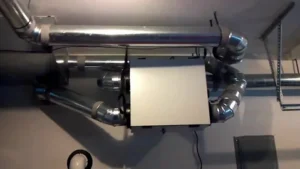 Breathe Easy With An Hrv- system
Installing a Heat Recovery Ventilation (HRV) system in your home can significantly impact your energy efficiency and overall comfort. An Hrv- system is designed to provide a constant supply of fresh air while also recovering the heat energy from the stale air being exhausted. This results in a healthier, more comfortable living space with reduced energy costs.
Improved Indoor Air Quality
An Hrv- system ensures that your home is constantly supplied with fresh, clean air, free from pollutants and moisture. This is especially important for households with pets, allergies, or asthma sufferers, as it helps to remove airborne irritants and allergens.
Reduced Energy Bills
An Hrv- system can significantly reduce energy bills by recovering the heat energy from the stale air. This is especially true in well-insulated homes, where the heat energy can be reused to warm the fresh air being introduced.
Increased Comfort
An Hrv- system helps to maintain a consistent, comfortable temperature throughout your home, eliminating cold spots and drafts. This results in a more comfortable living space with reduced temperature fluctuations.
Reduced Moisture and Mold
An Hrv- system removes excess moisture from the air, helping to prevent the growth of mould and mildew and reducing the risk of structural damage and health problems.
Quiet and Unobtrusive Operation
Hrv- systems are designed to operate quietly and unobtrusively, ensuring that you can enjoy the benefits of fresh air and energy efficiency without any disturbance or disruption to your daily life.
Unlocking The Potential Of Energy Savings With hrv price
The benefits of an hrv price extend far beyond improved indoor air quality and a healthier living environment.
- By harnessing the power of heat recovery, Hrv- systems unlock the potential for significant energy savings, making them a valuable addition to any energy-conscious home.
- By recovering the heat energy from extracted air and transferring it to fresh air, Hrv- systems can reduce the load on your heating and cooling systems, resulting in lower energy bills and a reduced carbon footprint.
- This innovative technology can also minimize the need for costly heating and cooling upgrades by optimizing the performance of existing systems.
- An HRV, or heat recovery ventilation system, is a mechanical ventilation system that helps exchange stale air from inside your home with fresh air from outside.
More Comfortable Living Space
This system works by using two separate air streams that pass by each other, allowing for the transfer of heat and moisture. By doing so, the system helps regulate your home’s temperature and humidity levels, providing a more comfortable living space. Additionally, an Hrv- system can help improve your home’s air quality by removing pollutants and allergens from the air.
This can be especially beneficial for those with respiratory issues or allergies. Furthermore, an Hrv- system is a more sustainable option for heating and cooling your home, as it reduces the energy needed to maintain a comfortable indoor temperature. It also helps reduce your carbon footprint, making it more eco-friendly.
Investing in an Hrv- system allows you to enjoy a more comfortable and sustainable living space while reaping the rewards of reduced energy consumption and lower utility bills. Switching to an Hrv- system allows you to breathe easily, knowing that you’re not only improving the air quality in your home but also doing your part to reduce your environmental impact.
Conclusion
In conclusion, an heat recovery ventilator is a game-changer for homeowners looking to enhance energy efficiency and comfort. Hrv- systems offer a unique solution to the age-old problem of stale air and high energy bills by providing a constant supply of fresh air and recovering heat from exhaust air. Whether building a new home or retrofitting an existing one, an Hrv- system is a worthwhile investment that will pay for itself in the long run.
FAQs
What Is The Difference Between An HRV And ERV System?
An Hrv- system recovers heat energy from exhaust air, while an ERV (Energy Recovery Ventilation) system also recovers moisture and heat energy. ERV systems are typically used in more humid climates.
2. How Much Does An Hrv- system Cost?
The cost of an Hrv- system varies depending on the size of your home and the specific features you need. On average, a whole-house Hrv- system can cost between $1,000 and $3,000.
3. Is An Heat Recovery Ventilator Difficult To Install?
While hiring a professional to install an heat recovery ventilator is recommended, the process is relatively straightforward and can be completed in a day or two.
4. How Much Maintenance Does An Hrv- system Require?
Hrv- systems are relatively low-maintenance, requiring only occasional filter cleaning and replacement.
5. Can I Install An Hrv- system In An Existing Home?
Yes, Hrv- systems can be retrofitted into existing homes, although the process may be more complex and require additional ductwork and modifications.
| Other Good Articles to Read |
| Skank Blogs |
| Unreal Blogs |
| Tba Blogs |
| All City Forums |
| Dany Blogs |
| Refuge Blogs |
| The Music Blogs |
| Key Forums |
| The Big Blog Theory |
| Joe Blogs |
| Blogs 4 Me |
| Blogs Emon |
| Related Business Listings |
| Contact Directory |
| Local Business Profiles |

