


As technology advances, more people are turning to lithium batteries for their energy needs. And it’s no surprise why – these batteries offer longer lifespans, faster charging times, and are much lighter and more compact than traditional lead-acid batteries. But to truly get the most out of your 12v 150 ah lithium battery, it’s important to understand how it works and how to maintain it properly. In this blog post, we’ll guide you through the necessary steps to ensure your lithium battery performs at its best and lasts for years to come. So, let’s dive in and learn how to make the most of your 12v 150ah Lithium Battery!
Understanding Your 12v 150 ah Lithium Battery
Delving into the intricacies of your 12v 150 ah Lithium Battery, it’s pivotal to grasp the technology underpinning its operation. Renowned for their unparalleled energy density compared to other types of batteries, lithium batteries stand out due to their ability to store more power in a compact size. This characteristic is particularly beneficial for applications where space and weight are critical constraints.
Furthermore, these batteries boast an impressive lifespan, often exceeding traditional lead-acid counterparts, thanks to their robust build and ability to withstand numerous charge and discharge cycles without significant degradation.
Another hallmark of the lithium battery is its rapid charging capability, which allows for quicker power replenishment and ensures that your system remains operational with minimal downtime. Understanding these foundational aspects will equip you with the knowledge necessary to utilise and maintain your battery efficiently, thereby capitalising on its advanced technology to fulfil your power needs effectively.
Initial Setup and Installation
Embarking on installing your 12v 150 ah Lithium Battery requires meticulous attention to detail to guarantee its seamless integration into your system. It’s imperative to consult the manufacturer’s handbook, a treasure trove of critical information tailored specifically to your battery’s needs. This guide provides precise instructions on the wiring requirements, optimal positioning, and securing methods to prevent any movement that could lead to physical damage.
During installation, selecting a location that shields the battery from extreme temperature fluctuations is crucial, as excessive heat or cold can severely impact its performance and longevity. An equally important consideration is ensuring adequate ventilation around the battery to facilitate heat dissipation during high-load periods or charging cycles.
Correct tools and safety equipment, such as insulated gloves and eye protection, can safeguard against accidental shorts and potential hazards. Additionally, verifying that all connections are tightened to the manufacturer’s specifications will help avoid any loose connections resulting in suboptimal performance or safety risks.
Adhering to these guidelines lays a solid foundation for your 12v 150 ah Lithium Battery’s operation, paving the way for its optimal performance and extending its serviceable life within your system.
Charging Your Lithium 12v 150ah Battery Correctly
Ensuring the correct charging protocol for your Lithium 12v 150ah battery is crucial in safeguarding its longevity and peak performance. Utilise only a charger expressly compatible with your battery model, as the manufacturer indicates.
Heed the charging guidelines meticulously, which typically involve recommendations on the appropriate charging current and voltage to avoid the pitfalls of overcharging or excessively depleting the battery. Both scenarios can precipitate irreversible damage and diminish the battery’s capacity. It’s also advisable to monitor the charging process, particularly when implementing a new charging regimen or under extreme environmental conditions.
Sudden temperature variations can affect the charging efficiency and potentially harm the battery. Furthermore, ensure that the charging area is well-ventilated, reducing the risk of overheating, which can further compromise battery health. By observing these protocols, you can significantly enhance the effective lifespan of your 12v 150 ah Lithium Battery and maintain its reliability for your power needs.
Maximising Battery Performance
Engaging in energy-efficient practices is paramount to optimise the performance of your 12v 150 ah Lithium Battery. Strategically managing your connected systems’ power output and consumption can drastically affect your battery’s efficiency and output longevity. One effective approach is to integrate a smart battery management system (BMS), which continually monitors and adjusts the power flow to prevent over-exertion of the battery during high-demand periods. This conserves the battery’s energy and prevents potential damage from overloading.
Additionally, calibrating your system to operate within the recommended temperature range of the battery can significantly enhance its performance. Extreme hot and cold temperatures can severely impede the battery’s ability to hold and discharge energy efficiently. Implementing thermal management strategies, such as installing the battery in a temperature-controlled environment or using thermal insulation wraps, can mitigate the adverse effects of temperature fluctuations.
Regularly tracking the battery’s state of charge (SoC) and ensuring it operates within the optimal SoC range is also crucial. Deep discharging can lead to a reduction in the battery’s overall lifespan and capacity. Therefore, avoiding letting the battery’s charge drop too low before recharging is advisable.
By adopting these measures, you can markedly improve the operational efficiency of your 12v 150 ah Lithium Battery, ensuring that it delivers consistent, reliable power and maintains peak performance throughout its service life.
Routine Maintenance Tips
Maintaining the health and efficiency of your 12v 150 ah Lithium Battery involves a series of straightforward yet effective practices. Firstly, ensure the battery’s surface and terminals are kept clean from dust, dirt, or corrosive substances. This can be achieved by gently wiping the battery with a clean, dry cloth and, if necessary, using a mild detergent for more stubborn residues.
It is also prudent to periodically inspect the battery for signs of wear, tear, or any damage that could compromise its performance. Such inspections should include checking the tightness of terminal connections to prevent power losses and potential safety hazards. Additionally, adhering to the manufacturer’s maintenance schedule is crucial; this often involves firmware updates for systems with a battery management system (BMS) to ensure optimal functionality.
Avoid exposing the battery to extreme conditions, and store it in a cool, dry place if not in use for extended periods. By implementing these simple measures, you can significantly contribute to the enduring performance and longevity of your 12v 150 ah Lithium Battery, ensuring it meets your power requirements efficiently.
Troubleshooting Common Issues
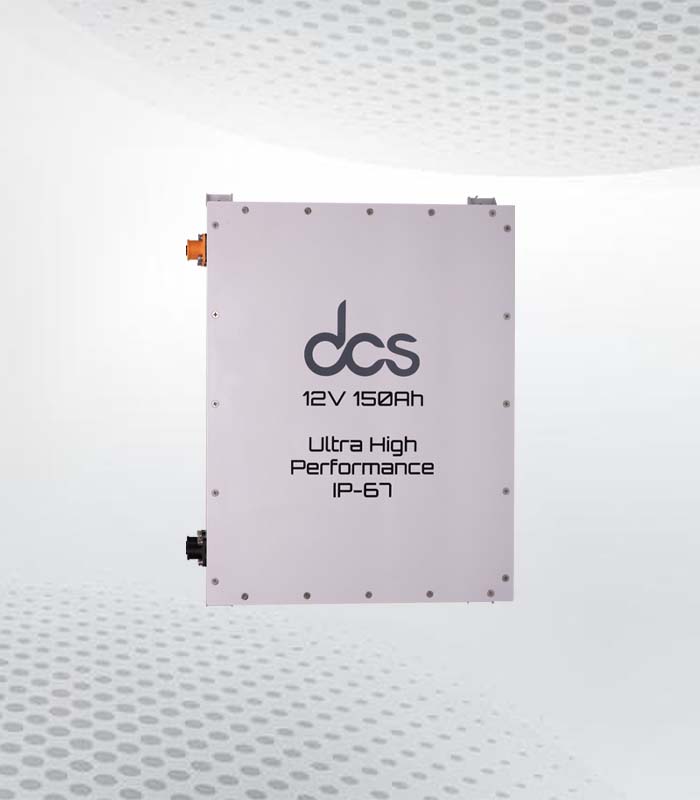 If you experience problems with your 12v 150 ah Lithium Battery, you must act swiftly to diagnose and rectify the issue. Begin by inspecting for any loose or corroded connections, as these can significantly impair performance.
Verify the battery’s voltage with a multimeter to ensure it aligns with expected levels; discrepancies may indicate charging or discharging anomalies. Temperature irregularities can also be a culprit behind performance issues, so monitor the battery’s temperature to identify any abnormal spikes or drops that deviate from the recommended operational range.
Additionally, if your battery is equipped with a Battery Management System (BMS), review any error codes or warnings that the system may present, as these can offer valuable insights into the nature of the problem. For more specific or complex issues, referring to the manufacturer’s troubleshooting guide can provide tailored advice and solutions. Remember, if the problem persists or you are unsure how to proceed, seeking professional assistance is advisable to prevent further damage to the battery or your equipment.
Upgrading and Expanding Your System with 150ah 12v Lithium Battery
Careful planning is essential for seamless integration and optimal performance when considering an upgrade or expansion of your energy system to include a 150ah 12v Lithium Battery. Start by evaluating your current energy consumption and anticipate any future demands. This foresight allows you to determine whether a 150Ah battery suffices or paralleling multiple batteries is necessary to meet your energy needs.
It’s crucial to ensure compatibility between the new lithium battery and your existing setup, particularly regarding the charging system and any connected devices or appliances. Transitioning to or augmenting your system with lithium technology may require adjustments or upgrades to the charging infrastructure to accommodate the specific requirements of lithium batteries, such as their charging profile and voltage thresholds.
Consider consulting with a professional to assess your system’s configuration and to recommend any required modifications. Additionally, if your system is equipped with a Battery Management System (BMS), verify that it can support the added capacity and effectively manage multiple batteries. Proper planning and execution of these steps will significantly enhance your system’s efficiency, providing a robust and reliable power solution tailored to your expanding needs.
Recycling and End-of-Life Disposal
As your 12v 150 ah Lithium Battery reaches the end of its useful life, it must address its disposal with environmental responsibility at the forefront. Lithium batteries are composed of materials that, whilst hazardous if mishandled, are valuable to recycling programmes.
Engage with local waste management authorities or specialised recycling centres that handle electronic waste to ensure your battery is processed correctly. Many regions have specific protocols for collecting and recycling batteries to prevent environmental contamination and reclaim useful materials for reuse.
Additionally, battery manufacturers often provide disposal recommendations or take-back programmes to facilitate responsible end-of-life management. It’s essential to avoid disposing of lithium batteries with regular household waste due to the potential risk of pollution and harm to waste management workers. By proactively seeking appropriate recycling options, you contribute to the circular economy and help mitigate the environmental impact of electronic waste.
Safely Storing Your 12 Volt 150ah Lithium Battery.
When it comes to safely storing your 12 Volt 150 ah lithium battery, several crucial considerations must be made to ensure both safety and preservation of battery life. Firstly, it is essential to select a storage location that remains consistently cool and dry, away from direct sunlight or sources of heat. Excessive temperature fluctuations can harm the battery’s chemistry, leading to decreased performance or capacity over time.
Ensure the storage area is free from potential sources of sparks or open flames, as lithium batteries can pose a fire risk if damaged or improperly handled. It is also wise to store the battery in a partially charged state, ideally between 30% and 50% of its total capacity. This balance helps maintain the battery’s health during inactivity, preventing overcharge and deep discharge scenarios, which can significantly impact the battery’s longevity.
Remove the battery from the device or disconnect any loads to prevent slow discharge. If necessary, check the battery’s charge level periodically during extended storage and recharge it to maintain the recommended storage charge level.
Lastly, if your 12v 150 ah Lithium Battery is equipped with a Battery Management System (BMS), ensure it remains connected and operational during storage. The BMS can protect against overcharge, deep discharge, and temperature extremes, safeguarding the battery during inactivity. By adhering to these guidelines, you can significantly extend the useful life and maintain the safety of your 12 Volt 150ah Lithium Battery while it’s stored.
Ensuring Long-Term Durability of Your 12v 150 ah Lithium Battery
Adherence to the manufacturer’s specifications and recommended practices concerning charging, handling, and general upkeep are paramount to safeguarding the enduring durability of your 12v 150 ah Lithium Battery.
It’s crucial to utilise a charging system that’s precisely aligned with the battery’s requirements. This will avert overcharging or deep discharge risks—both of which could significantly curtail the battery’s lifespan. Regular monitoring of the battery’s health, through inspections for any signs of damage or wear, will preempt potential failures.
Ensuring the battery operates within its optimal temperature range will prevent performance degradation. If applicable, engaging in periodic maintenance checks, including firmware updates for the battery management system, ensures that the battery’s operational parameters remain optimal. By diligently observing these guidelines, you can significantly enhance the longevity and reliability of your 12v 150 ah Lithium Battery, making it a steadfast component in your energy solution.
Conclusion
In summary, maximising the efficiency and lifespan of your 12v 150ah lithium battery involves a comprehensive understanding of its operation, proper installation, and adherence to charging protocols. Furthermore, routine maintenance, troubleshooting, and safe storage practices are crucial in ensuring its long-term performance. By following the steps outlined in this guide, you are well-equipped to enhance the functionality and durability of your battery, ensuring it serves your energy needs effectively. Embracing these practices will benefit your immediate power requirements and contribute positively to environmental sustainability through responsible use and disposal.
FAQs
Q: Can I use a standard lead-acid battery charger to charge my 12v 150ah lithium battery?
A: It is strongly recommended that you use a charger specifically designed for lithium batteries. Chargers intended for lead-acid batteries may not align with the charging requirements of lithium batteries, potentially leading to undercharging or damage.
Q: How do I know when my battery needs replacing?
A: Indications that your battery may require replacement include a noticeable decline in performance, inability to hold charge, or physical damage. Regular monitoring of the battery’s charge and performance can help identify these signs early.
Q: Are parallel multiple 12v 150ah lithium batteries safe for increased capacity?
A: Yes, paralleling batteries can increase overall capacity. However, to prevent imbalances, ensure all batteries have the same type, age, and charge level. Consulting with a professional before making any modifications is advisable.
Q: Can extreme temperatures affect my battery’s performance?
A: Indeed, extreme temperatures can significantly impact the performance and lifespan of your lithium battery. To maintain optimal performance, it’s best to operate and store the battery within the manufacturer’s recommended temperature ranges.
| Other Good Articles to Read |
| Blogs-Peoples |
| Bryan Smith Blogs |
| intellect blogs |
| the fault in our blogs |
| blogs eu |
| oz forums |
| recruitment blogs |
| zet blogs |
| id blogs |
| Blog Studio legale |
| blogs map |
| Related Business Listings |
| Directory Submissions |
| Regional Directory |

