


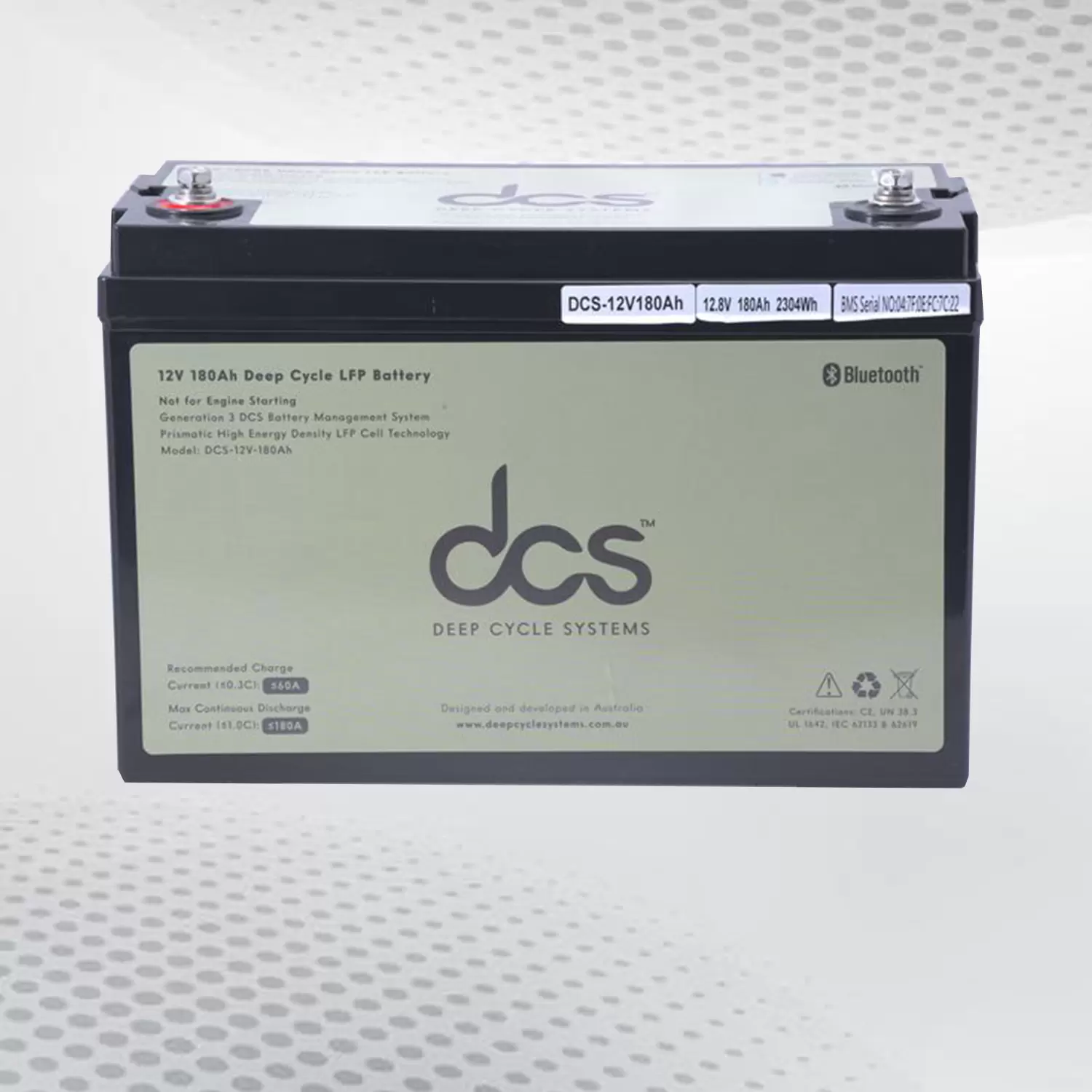
DCS batteries are revolutionizing the energy storage industry with superior performance, efficiency, and flexibility. These lithium-ion battery packs offer a wide range of benefits that make them popular for various applications, from renewable energy integration to grid stabilization. In this blog post, we will explore the traits and perks of DCS Battery, shedding light on why they are becoming the go-to solution for energy storage needs.
What Is A DCS Battery?
A DCS battery stands for Distributed Control System battery, which signifies a leap in energy storage technology, primarily harnessed in settings where power reliability is non-negotiable. Unlike traditional power storage options, DCS batteries are engineered to support the rigorous demands of industrial environments. These environments include but are not limited to power generation stations, manufacturing plants, and data processing centres. The essence of a DCS battery lies in its ability to seamlessly distribute energy, ensuring that all critical systems within an infrastructure have an uninterrupted power supply.
This reliability is paramount in operations where even a momentary loss of power can lead to significant financial losses or compromise safety. By leveraging lithium-ion technology, DCS batteries can provide a dependable power source and embody the characteristics of durability and efficiency. Their role extends beyond merely supplying power; they are integral in modernising industrial energy solutions, promoting a shift towards more resilient and flexible power management systems.
The deployment of DCS batteries in such critical settings underscores the shift towards technologies that can withstand the pressures of high-demand applications while offering a blueprint for future energy storage and distribution advancements.
The Lithium Ion Advantage in DCS Batteries
Lithium-ion technology is at the heart of DCS battery innovation, offering unparalleled benefits over other types of battery technologies. This advantage stems from lithium-ion batteries’ superior energy density, which allows for greater energy storage within a more compact design. Such a feature is crucial for energy-intensive applications where space is at a premium. Additionally, these batteries boast rapid charging capabilities, enabling quick replenishment of energy stores to meet demand without significant downtime.
Moreover, the long cycle life of lithium-ion batteries represents a significant leap forward in energy storage longevity. This ensures that DCS batteries can support numerous charge and discharge cycles before experiencing degradation, extending their useful life and reducing the need for frequent replacements. This durability is especially valuable in settings where constant, reliable energy is necessary, and maintenance and replacement activities can be disruptive and costly.
Another notable aspect of lithium-ion technology within DCS batteries is their lower self-discharge rate. This characteristic means that DCS batteries retain their charge for longer periods when not in use, ensuring that energy is available on demand without substantial loss over time. Such efficiency is critical in maintaining uninterrupted power supplies in crucial operations, highlighting the lithium-ion advantage in DCS battery systems.
By harnessing the power of lithium-ion technology, DCS batteries set a new standard for energy storage solutions, offering a blend of compactness, rapid charging, longevity, and efficiency that is hard to match.
Enhanced Efficiency and Performance
Extended Power Supply Duration
The advanced energy density of DCS batteries enables them to provide a steady power supply for longer durations without frequent recharges. This capability ensures uninterrupted operations, contributing to enhanced efficiency and productivity.
Lower Self-discharge Rates
DCS batteries exhibit significantly lower self-discharge rates, preserving stored energy for extended periods even when not actively used. This characteristic minimizes energy loss and guarantees a reliable energy source, particularly in critical applications where uninterrupted power is essential.
Enhanced Performance with Lithium-ion Technology
Integration of lithium-ion technology further enhances DCS battery performance, facilitating rapid charging and discharging cycles. This feature ensures quick energy turnaround, allowing DCS batteries to meet demand spikes promptly without delay, thus maintaining operational continuity.
High Efficiency and Performance
Combining superior energy density, low self-discharge rates, and fast charge/discharge capabilities solidifies DCS batteries as a high-efficiency, high-performance solution in the modern energy landscape. Their reliability and versatility make them well-suited for various applications across industries, contributing to overall operational excellence and sustainability.
 Scalability and Flexibility of DCS Batteries
The versatility of DCS batteries lies in their superior power storage capabilities and adaptability to various energy demands and configurations. This scalability ensures that as the requirements of a facility or operation grow, the energy storage system can expand seamlessly without major overhauls or system incompatibilities. This attribute particularly stands out, allowing for incremental additions to the energy storage capacity. Such modularity means that an initial investment in a DCS battery system does not limit future expansions, making it an ideal solution for evolving energy needs.
Furthermore, the flexibility of DCS battery systems extends to their integration capabilities. They can be effortlessly incorporated into diverse power infrastructures, ranging from conventional grid systems to renewable energy setups like solar farms or wind turbines. This integration is crucial for businesses and facilities transitioning towards greener energy sources without sacrificing reliability or efficiency. The adaptability of DCS batteries also enables them to support various applications, from peak shaving and load levelling to providing emergency backup power. This dual capability of scalability and flexibility ensures that DCS batteries are not just a static solution but a dynamic component of any forward-thinking energy strategy, ready to meet the challenges of today’s and tomorrow’s energy landscape.
Longevity and Cost-Effectiveness
The design of DCS batteries embodies a focus on durability and fiscal efficiency, setting them apart as a sustainable investment in energy storage. Their extended cycle life, significantly surpassing traditional battery systems, ensures operational reliability over many years. This attribute is crucial for industries where energy demands are relentless and predictably high, as it minimizes the frequency of battery replacements, thereby reducing the overall lifecycle cost.
Moreover, DCS batteries demonstrate a notable reduction in maintenance demands. Unlike other battery technologies that require regular checks and upkeep, the robust nature of lithium-ion cells in DCS batteries lessens the need for frequent maintenance activities. This not only reduces operational costs but also diminishes the likelihood of downtime associated with maintenance, thus bolstering productivity.
Their cost-effectiveness is further amplified when considering the energy efficiency they bring to operations. DCS batteries can significantly lower energy costs by optimizing energy usage and reducing waste through lower self-discharge rates and efficient charge cycles. This efficiency, coupled with the longevity of the batteries, presents a compelling case for their adoption, offering businesses a way to secure an energy storage solution that promises reliability, reduced operational expenses, and a better alignment with sustainability objectives.
The Role of DCS Batteries in Renewable Energy Integration
DCS batteries stand at the forefront of enhancing the integration of renewable energy sources into existing power infrastructures. Their capability to store energy generated from renewable sources such as solar panels and wind turbines during periods of surplus production is pivotal. This stored energy can then be released into the grid when demand peaks or production dips, thus ensuring a consistent and stable energy supply. This function is crucial in mitigating the inherent intermittency of renewable energy sources, enabling a more reliable and predictable power output.
Moreover, using DCS batteries facilitates a significant reduction in carbon footprint by maximizing the utilization of renewable energy and minimizing reliance on conventional fossil fuel-based power generation. This is essential for advancing towards a greener and more sustainable energy landscape. Additionally, the ability of DCS batteries to quickly respond to fluctuations in power demand and supply makes them an invaluable asset in maintaining grid stability. This responsiveness supports the seamless integration of renewable energy and enhances the overall efficiency of the power grid.
DCS batteries are instrumental in driving the transition towards more sustainable energy systems by bridging the gap between renewable energy production and demand. Their role extends beyond mere energy storage; they are key enablers in the evolution of smarter, cleaner, and more resilient power grids capable of accommodating the growing share of renewable energy in the global energy mix.
Safety Features of Lithium Ion Battery Pack
Lithium Ion Battery Pack are designed with various safety features to ensure they operate within safe parameters, reducing the risk of accidents or damage. These features include:
Overcharge Protection:
This feature prevents the battery from charging beyond its maximum voltage, which can lead to overheating and potential failure.
Short Circuit Protection:
Safeguards against short circuits can cause rapid temperature increases and potentially lead to fires.
Temperature Control Systems:
Monitors and controls the battery’s temperature to prevent overheating during charging and discharging.
Flame Retardant Materials:
Constructed with materials that resist combustion, adding an extra layer of protection in case of a malfunction.
Battery Management Systems (BMS):
A comprehensive system that manages the battery’s performance, ensuring it operates efficiently and safely by monitoring its state, calculating secondary data, reporting it, and controlling its environment.
Conclusion
DCS Battery represent a transformative advancement in energy storage, setting new benchmarks for efficiency, reliability, and sustainability. Their integration into various sectors demonstrates a commitment to technological innovation and a stride towards environmental responsibility. By harnessing lithium-ion technology, these batteries offer a suite of benefits that address the core needs of modern energy systems—scalability to meet growing demands, flexibility to adapt to diverse applications, and the durability to withstand the rigours of high-demand settings. The incorporation of safety measures further underscores their viability as a dependable power source across a wide array of industries. As we continue to witness the evolution of energy storage technologies, DCS batteries emerge as pivotal players in shaping a future where renewable energy sources are more seamlessly integrated into our power grids, contributing to reducing our carbon footprint.
FAQs
Q: How long can I expect my DCS Battery to last?
A: The longevity of a DCS battery typically ranges between 5 to 10 years. This duration is influenced by factors such as the frequency of use and the level of maintenance it receives. Ensuring proper care can extend its lifespan towards the upper end of this range.
Q: Can I use DCS batteries in my home for power backup or energy storage?
A: Yes, DCS batteries can be adapted for residential use. While their design caters mainly to industrial demands, they are equally effective in providing backup power or as an energy storage solution in a home environment. Their scalability and efficiency suit various applications, including residential settings.
Q: In what ways are DCS batteries superior to traditional energy storage options?
A: DCS batteries stand out due to their higher energy density, which allows for more compact and efficient storage solutions, and their extended cycle life, minimizing the need for frequent replacements. Additionally, they require less maintenance than conventional batteries, offering a more convenient and cost-effective option for industrial and residential users. Their advanced safety features and ability to seamlessly integrate with renewable energy sources further enhance their appeal as a modern energy storage solution.
| Other Good Articles to Read |
| Niche Blogs Connect |
| Blogs 97 |
| Blog Stitution |
| Blogs Unplugged |
| Blogs Cotch Rouge |
| Blog Signatr |
| Blog Sintonias |
| Blog Zilla |
| Consumer Forums |
| Finance Forums |
| G Blogs |
| Too Blog |
| Related Business Listings |
| Contact Directory |
| Local Business Profiles |

