


The thrill of racing down a hill on a drift-trike is unbeatable. But what if you could take that excitement to the next level? With a few enhancements to your Drift Trike Engine, you can unleash its full potential and experience a whole new level of power and speed. Whether you’re a seasoned rider looking for a new challenge or a beginner looking to upgrade your ride, enhancing your drift-trike engine is a surefire way to take your drifting game to the next level.
The Importance of Engine Upgrades for Performance
Upgrading the engine of a drift-trike stands as a pivotal manoeuvre for riders aiming to elevate the performance of their vehicle. An engine, being the core powerhouse, dictates the overall power output, acceleration capabilities, and the potential top speeds that a drift-trike can achieve. The quest for an enhanced riding experience often leads enthusiasts to explore various avenues for engine modifications.
Enhancing the engine not only promises a surge in power but also paves the way for an improved acceleration profile, allowing riders to experience a more exhilarating drift. This becomes particularly beneficial for riders who are on a continuous pursuit to challenge the limits of their skills and the capabilities of their machines on the track.
Furthermore, seasoned riders with a penchant for precision and excellence find that engine upgrades are indispensable. Such modifications enable them to tailor their vehicles to specific demands of drifting, ensuring that every twist and turn is executed with unmatched precision.
Selecting the Right Components for Your Engine Upgrade
In the pursuit of enhancing the power of a drift-trike’s engine, the selection of suitable components is a crucial step. The market is full of aftermarket parts, each promising to elevate the engine’s performance to new levels. However, the challenge lies in identifying which components are best suited for a specific drift-trike model. This process requires a thorough investigation into the compatibility and quality of parts such as performance exhaust systems, high-flow air filters, and enhanced fuel injection systems.
Equally important is the consideration of the intended use of the drift-trike. Components that excel in increasing top-speed may not necessarily provide the desired improvement in acceleration or torque, which are essential for a drift-trike’s performance on winding courses. Therefore, enthusiasts must carefully weigh their options, prioritising parts that align with their specific performance goals.
Furthermore, the durability of upgrades plays a significant role in their selection. Investing in high-quality parts ensures longevity and reliability, preventing frequent replacements and maintenance issues. Therefore, while the initial cost may be higher, the long-term benefits of selecting premium components can outweigh the upfront expenditure.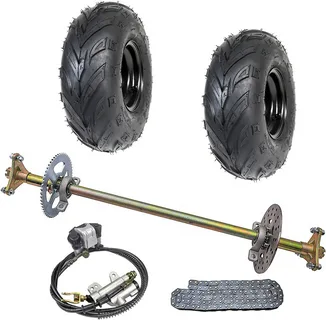
The Step-by-Step Guide to Upgrading Your Pedal Drift Trike
Begin by thoroughly assessing the existing engine to identify which components could benefit from an upgrade to improve performance of Pedal Drift Trike. Here are few steps are given below:
Research and Select Components
Based on the assessment, research aftermarket parts suitable for the specific model of the drift-trike. Focus on components known for boosting power, speed, and overall engine efficiency.
Consult With Professionals
Before purchasing any parts, consider consulting with experts or seasoned drift-trike enthusiasts to get advice on the best components and upgrade paths.
Purchase High-Quality Parts
Opt for premium-quality upgrades to ensure longevity and reliability of the engine post-modification. This may include performance exhausts, high-flow air filters, and advanced fuel injection systems.
Prepare the Workspace and Tools
Ensure a clean, well-organised workspace with all necessary tools at hand. This includes basic mechanic tools and any special equipment required for specific parts.
Install Upgrades Step by Step
Carefully install the selected components one at a time, following manufacturer instructions closely. If unfamiliar with the process, consider seeking professional help to avoid damage.
Tune the Engine
Once all parts are installed, tune the engine to ensure it operates efficiently with the new upgrades. This might involve adjusting the fuel-air mixture, ignition timing, and exhaust flow.
Test the Upgrades
Safely test the drift-trike in a controlled environment to assess the impact of the upgrades. Pay attention to changes in performance, handling, and fuel efficiency.
Perform Regular Maintenance
After upgrading, maintain a regular check-up schedule to ensure all components remain in optimal condition and adjustments are made as needed. By following these steps, one can systematically upgrade their pedal drift trike’s engine, enhancing its performance for a more thrilling riding experience.
Safety Measures and Best Practices in Engine Upgrades
When undertaking engine upgrades on a drift-trike, the paramount importance of safety measures and adherence to best practices cannot be overstated. Initiating modifications requires not only the right set of tools but also a comprehensive understanding of the engine’s mechanics and the specific requirements of the upgrade. Individuals embarking on this venture must equip themselves with appropriate protective gear, including gloves and eyewear, to mitigate any risk of injury during the process.
The complexity of engine components necessitates a meticulous approach, with a strong emphasis on following the manufacturer’s guidelines to the letter. This adherence ensures that every modification aligns with the design specifications of the drift-trike, thereby maintaining the integrity of the vehicle’s engineering. In instances where the clarity of instructions wanes or the expertise of the individual is in question, seeking professional assistance emerges as a prudent strategy. Consulting with seasoned professionals or service providers specialises in drift-trike modifications can provide clarity, ensuring that upgrades not only enhance performance but also uphold the highest safety standards.
Equally, the use of high-quality components in the upgrade process plays a critical role in ensuring the longevity and reliability of the engine’s performance post-modification. Substandard parts, while seemingly cost-effective in the short term, may compromise the safety and functionality of the drift-trike in the long run. Therefore, investing in premium parts, verified for their compatibility with the specific model of drift-trike, constitutes a best practice that sustains both performance and safety.
Rev Up Your Drifting Adventures: Chassis Drift Trike Experience
The Chassis Drift Trike plays a pivotal role in defining the vehicle’s overall drifting experience. As enthusiasts delve deeper into the world of engine upgrades, the impact of these enhancements on the chassis dynamics becomes an area of keen interest. The increased power output from an upgraded engine necessitates modifications to the chassis to ensure the drift-trike remains stable and manoeuvrable at higher speeds and through tight turns.
Modifications to the chassis to complement engine upgrades often include reinforcing the frame to handle the additional stress and torque. This can involve integrating stronger materials or adding support in critical areas to prevent flexing during high-speed manoeuvres. Moreover, the alignment and geometry of the chassis may require adjustments to optimise weight distribution and balance, factors that are crucial for maintaining control during drifting.
The suspension system, a key component of the chassis, also demands attention. Upgraded shock absorbers and springs tailored to the increased performance of the drift-trike can significantly improve ride quality and responsiveness. Customising the suspension setup allows for fine-tuning the drift-trike’s handling characteristics, enabling riders to achieve a balance between agility and stability, tailored to their individual riding style and the demands of different drifting scenarios.
Tuning Your Upgraded Engine for Optimal Performance
Tuning an upgraded engine is a meticulous process that enhances its efficiency and ensures optimal performance. This intricate procedure involves several key steps, each critical for unlocking the full potential of the drift-trike’s engine. Below are the pivotal stages in tuning an upgraded engine for optimal performance:
Assessing Baseline Performance
Before making any adjustments, establish a baseline of the engine’s current performance. This involves recording metrics such as power output, fuel efficiency, and acceleration times under controlled conditions.
Adjusting the Fuel-Air Mixture
For engines with carburettors, this involves tweaking the mixture for optimal combustion. In fuel-injected engines, remapping the ECU (Engine Control Unit) can achieve a similar effect, ensuring the engine receives the ideal fuel-to-air ratio for increased performance.
Ignition Timing Tuning
Adjusting the timing of the spark ignition can lead to significant improvements in power and efficiency. This must be done with precision to avoid pre-detonation or knocking, which can damage the engine.
Optimising Exhaust Flow
Installing or adjusting performance exhaust systems can reduce backpressure, allowing the engine to expel exhaust gases more efficiently, thus improving the engine’s breathing and increasing power output.
Monitoring Engine Temperatures
Keeping an eye on engine temperatures can prevent overheating, ensuring that the engine operates within its optimal temperature range for performance and longevity.
Regular Maintenance Checks
After tuning, regular checks and adjustments are necessary to maintain the enhanced performance levels. This includes monitoring wear on upgraded components and adjusting settings as needed. By methodically following these steps, enthusiasts can fine-tune their drift-trike’s engine, ensuring it delivers not only increased power but also greater efficiency and reliability.
Turning the Thrill: Drift Trike Front Wheel Dynamics
The Drift Trike Front Wheel play a pivotal role in shaping the handling and manoeuvrability of a drift-trike. Enhanced components such as upgraded bearings, precision-engineered hubs, and performance-oriented tyres contribute significantly to refining the ride quality. The intricacies involved in selecting and installing high-calibre front wheel components are crucial for achieving equilibrium between stability and responsive handling.
In the realm of drift-triking, the agility with which a rider navigates turns and maintains control at varying speeds is largely influenced by the front wheel’s dynamics. Upgraded bearings offer smoother rotation and reduced friction, which, in turn, enhance the drift-trike’s steering responsiveness. Precision-engineered hubs, designed to withstand the rigours of drifting, ensure a robust connection between the wheel and the chassis, providing a solid foundation for high-performance manoeuvres.
Moreover, the choice of tyres plays an indispensable role. Tyres with a compound and tread design suited to drifting can drastically improve grip on different surfaces, allowing for tighter turns and more controlled slides. This careful selection and combination of front wheel upgrades work in harmony to elevate the drift-trike’s performance, enabling riders to push the limits of their vehicle’s handling capabilities.
The Impact of Engine Upgrades on Drift-Trike Handling
The process of enhancing a drift-trike’s engine brings with it significant alterations in the vehicle’s handling and stability characteristics. Such modifications, by increasing the power output and consequently the speed, necessitate a recalibration of the rider’s approach to manoeuvring and controlling the trike. This transition requires riders to refine their techniques, adapting to the heightened performance capabilities their upgraded engines confer upon their vehicles.
An increase in engine power often leads to changes in how the drift-trike responds during acceleration and drifting phases. Riders may find that their vehicles now demand more precise input to maintain control, especially when navigating corners or executing drifts. The interplay between upgraded engine components and the trike’s chassis becomes more pronounced, influencing the dynamics of handling in ways that challenge the rider to adapt.
Engagement with varied terrains becomes a critical practice ground for mastering these new handling characteristics. It offers riders the opportunity to familiarise themselves with the increased responsiveness and to fine-tune their control techniques accordingly. Mastery of cornering techniques, in particular, becomes essential, as the upgraded engine’s power can transform the approach and execution of turns.
Conclusion
In summary, the journey of upgrading a Drift Trike Engine embodies a quest for enhanced performance, marrying mechanical ingenuity with the pursuit of adrenaline-fuelled experiences. It is a pathway that demands not only technical acumen but also a dedication to refining and harmonising the intricate dance between power and control. Through careful selection of components, meticulous tuning, and a holistic approach to vehicle dynamics, enthusiasts unlock a new realm of possibilities for their drift-trikes.
FAQs
What is the first step in upgrading a drift-trike engine?
The initial phase involves a comprehensive assessment of the current engine setup, identifying components that are prime candidates for enhancement or replacement. This evaluation sets the groundwork, enabling riders to determine which upgrades will most effectively elevate their drift-trike’s performance, aligning with their specific goals and the vehicle’s existing configuration.
How do engine upgrades affect a drift-trike’s fuel consumption?
Enhancements designed to boost engine performance typically lead to an increase in fuel consumption. This outcome is primarily due to the engine operating at a higher capacity to achieve greater power output. Riders should anticipate this shift and consider it when planning upgrades, especially if the drift-trike will be used frequently or for extended periods.
Can engine upgrades be undertaken by an amateur, or is professional assistance required?
While certain engine modifications can be executed by individuals with a foundational understanding of mechanics and the appropriate tools, more complex upgrades often necessitate professional expertise. The intricacy of tuning and the precision required for certain component installations mean that seeking assistance from experienced professionals is advisable to ensure optimal performance and safety.
Are there legal considerations to keep in mind when upgrading a Drift Trike Engine?
Yes, depending on the region of Drift Trike Engine, there may be regulations governing vehicle modifications, including engine enhancements. It is imperative for riders to acquaint themselves with local laws to ensure that their upgraded drift-trike remains compliant, particularly if it will be used in public spaces or on roads. Failure to adhere to these regulations can result in fines, confiscation of the vehicle, or other legal repercussions.
| Other Good Articles to Read |
| Cme Blog Spot |
| Garcias Blogs |
| Yyc Blogs |
| Guiade Blogs |
| Blogs-Hunt |
| Impact-Blog |
| Smarty Blogs |
| Ed Blog |
| Mo Blogs |
| Blogs Em |
| Blog St |
| Related Business Listings |
| Contact Directory |
| Local Business Profiles |

