


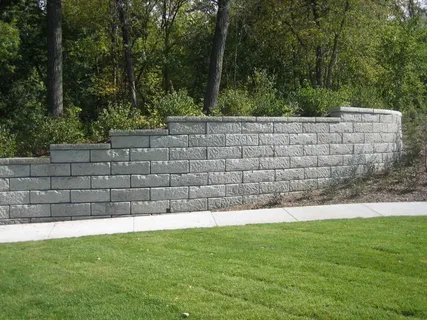
Retaining wall blocks are becoming increasingly popular in Brisbane as a practical and stylish solution for landscaping and outdoor projects. These versatile blocks are designed to not only hold back soil and create level surfaces, but also add a touch of elegance to any outdoor space. With the unpredictable weather patterns and varying terrain in Brisbane, Retaining Wall Blocks Brisbane has become a go-to choice for achieving both stability and style.
The Importance of Stability in Retaining Walls
Retaining walls serve as a fundamental component in landscape architecture, particularly in the terrains of Brisbane where elevation and slope variations are common. These structures are paramount in holding back soil, managing rainwater runoff, and preventing the undesirable effects of erosion and landslides in sloped areas. The essence of stability in retaining walls cannot be overstated. It underpins the wall’s ability to endure the lateral pressure exerted by the soil it supports, a factor that is critical to the safety and longevity of both the landscape and the structures within its vicinity.
The selection of high-calibre retaining wall blocks in Brisbane is a vital step towards guaranteeing the durability and steadfastness of these walls. The engineering behind retaining walls is sophisticated, requiring materials that can withstand varying weather conditions, soil types, and hydrostatic pressure without compromising structural integrity. The choice of material is it concrete, timber, or natural stone, plays a significant role in this context, influencing not only the wall’s functionality but its aesthetic quality as well.
Moreover, the importance of stability extends beyond the immediate physical benefits. A stable retaining wall contributes to the preservation of the landscape’s natural topography, minimising soil degradation and promoting healthier garden and outdoor environments. In this light, the stability of retaining walls in Brisbane transcends mere practicality, embodying a commitment to environmental stewardship and aesthetic harmony.
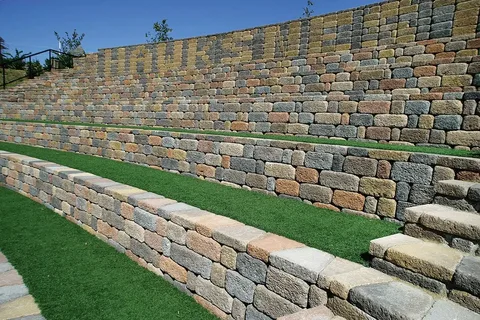 Integrating Style with Functionality
In the realm of landscaping, marrying the concepts of style and functionality often presents a challenge. However, with the diverse array of retaining wall blocks available in Brisbane, this seemingly daunting task becomes achievable. The market offers a plethora of options that cater to both the structural demands and aesthetic preferences of any outdoor space. These choices range from the sleek, contemporary designs favoured in modern landscaping to the rustic charm of traditional styles, ensuring that every taste is accommodated.
The emphasis on design versatility does not overshadow the fundamental purpose of these structures. Retaining wall blocks are meticulously engineered to provide the necessary support to soil and elevation changes in a landscape. This dual focus on aesthetics and utility allows property owners to not only safeguard their land against erosion and runoff but also to elevate the visual appeal of their surroundings.
Material selection plays a pivotal role in this integration of style with functionality. The aesthetic impact of concrete, timber, or natural stone retaining wall blocks can significantly vary, thereby influencing the ambiance of an outdoor area. Concrete blocks, with their clean lines and uniform appearance, lend themselves to contemporary designs. In contrast, natural stone and timber offer a more organic and warm aesthetic, ideal for creating a sense of traditional elegance.
Choosing the Right Material for Your Retaining Wall
In the pursuit of constructing a retaining wall in Brisbane, the selection of the appropriate material stands as a critical consideration. Commonly utilised options encompass concrete, timber, and natural stone, each harbouring its distinct set of attributes and limitations. Concrete blocks are renowned for their robustness and low maintenance requirements, offering a modern aesthetic that aligns with contemporary landscaping designs. These blocks are engineered to endure the rigours of variable weather conditions, making them a steadfast choice for structural stability.
On the other hand, timber presents a more traditional appeal, imbuing outdoor spaces with a warm and organic ambience. While timber can introduce a natural aesthetic that many homeowners covet, it is imperative to note its susceptibility to weathering and potential for decay over time, necessitating periodic treatments to preserve its integrity.
Natural stone is another favoured material, prized for its unique texture and the elegance it can add to a landscape. Each stone block is distinct, ensuring no two walls are identical, thereby offering an element of uniqueness to the property. However, the installation of natural stone can be more complex and costly, given its weight and the need for precise placement to achieve the desired aesthetic outcome.
Installation Tips for Long-Lasting Retaining Walls
For individuals seeking to ensure the longevity and durability of their retaining wall projects in Brisbane, several key installation tips should be meticulously followed. These guidelines are designed to augment the stability, appearance, and effectiveness of retaining walls, catering to both their functional and aesthetic requirements:
Proper Foundation Preparation
Before any blocks are laid, it’s crucial to establish a solid and level foundation. This typically involves excavating to a specified depth, compacting the soil beneath, and laying a base material, such as crushed stone, which is then compacted and levelled.
Adequate Drainage Solutions
Incorporate efficient drainage behind the wall to prevent water buildup, which can exert additional pressure on the wall structure. This might include the use of drainage pipes and gravel to facilitate the easy flow of water away from the wall.
Correct Block Selection
Choose retaining wall blocks appropriate for the height and load requirements of the wall. Higher walls or those bearing additional load may require larger, more robust blocks or specific designs engineered for greater pressures.
Use of Geotextiles
In some cases, placing a geotextile fabric between the soil and the drainage layer can be beneficial. This fabric helps to prevent the clogging of the drainage system by silt and clay particles.
Interlocking Blocks for Added Stability
Opt for blocks designed to interlock or fit snugly together, enhancing the wall’s overall stability. This design feature aids in distributing pressure evenly and resisting the lateral forces exerted by the soil.
Backfilling and Compaction
As the wall is built, backfill the area behind it with a suitable material, such as gravel, to ensure proper drainage. Compacting the backfill in layers during construction can prevent settling or shifting later on.
Capstones for Protection
Finish the wall with capstones or coping, which not only adds to the aesthetic appeal but also provides a measure of protection to the wall blocks beneath, shielding them from weather elements.
By adhering to these installation tips, one can significantly enhance the resilience and longevity of retaining walls in Brisbane’s varied landscapes, ensuring they meet both functional needs and design aspirations for years to come.
Maximising Space with Creative Retaining Wall Blocks Brisbane
Retaining Wall Blocks Brisbane offers a unique opportunity for homeowners to enhance the functionality and visual appeal of their outdoor spaces, particularly in properties where space is at a premium. Through innovative design and strategic placement, these structures can transform how a landscape is utilised and enjoyed. The integration of curves and terraces into the design of retaining walls presents a dynamic approach to landscaping, allowing for the creation of distinct levels and sections within a garden. This method not only maximises the use of available space but also introduces an element of visual interest that can break the monotony of flat terrains.
The incorporation of varying heights in the construction of retaining walls is another effective strategy. By doing so, homeowners can create raised garden beds or seating areas, thereby adding functionality to the space while maintaining an aesthetically pleasing environment. These elevated features serve not just as practical elements but also as focal points that draw attention and add character to the landscape.
Furthermore, the versatility of retaining wall blocks means they can be adapted to suit a wide range of design preferences and landscaping needs. Whether aiming for a sleek, contemporary look or a more rustic charm, there is a variety of materials and finishes available to achieve the desired outcome. This flexibility enables the creation of unique outdoor environments that reflect the personal style of the homeowner while ensuring the landscape is fully optimised for both visual appeal and practical use.
Maintenance to Preserve Your Wall’s Integrity
Maintaining the integrity of retaining walls is an essential aspect of landscape management. Regular inspections are a cornerstone of maintenance, enabling early identification of potential issues such as cracks, leaning, or signs of wear and tear. These inspections should be thorough, looking for any indication that the wall’s stability might be compromised. The significance of cleanliness cannot be underestimated in preserving a wall’s appearance and functionality.
Accumulations of dirt, debris, and biological growth like algae can not only detract from the wall’s aesthetic appeal but may also contribute to its gradual deterioration. It is advisable to gently clean the retaining wall blocks using suitable methods that do not damage the material, ensuring that they continue to provide both visual and structural benefits to the landscape.
Furthermore, drainage plays a pivotal role in the maintenance of a retaining wall’s integrity. Ensuring that drainage systems remain clear and functional is crucial in preventing water buildup behind the wall, which can lead to increased hydrostatic pressure and potential structural failure. The presence of adequate drainage mitigates this risk, contributing to the longevity of the wall.
Creative Ideas for Retaining Wall Blocks in Landscaping
Utilise retaining wall blocks to create functional seating around a patio or fire pit, adding a practical and aesthetic element to the landscape.
Construct a Multi-level Garden
Design a tiered garden space using retaining wall blocks, allowing for the cultivation of a diverse range of plants and flowers at different heights, enhancing the garden’s visual impact.
Install Water Features
Embed water features such as fountains or waterfalls into retaining walls to introduce a tranquil and refreshing ambiance to outdoor spaces.
Create a Sculptural Element
Use retaining wall blocks of varying sizes and colours to construct a unique sculptural feature that serves as a focal point in the garden, adding artistic flair to the landscape.
Implement Lighting Solutions
Integrate lighting within or along retaining walls to highlight the architectural elements of the wall, providing both safety and an enchanting atmosphere during the evening.
Design a Sandbox for Children
Craft a dedicated play area for children by constructing a sandbox with retaining wall blocks, ensuring a safe and contained space for creative play.
Form Pathways and Borders
Define pathways or garden borders with low retaining walls, creating a clear delineation between different areas of the garden while adding structural beauty.
Establish Raised Vegetable Beds
Build raised beds for vegetable gardening using retaining wall blocks, making gardening more accessible and managing soil quality more effectively.
Integrate Steps into the Landscape
Construct steps using retaining wall blocks in areas with slopes, providing a safe and attractive means to navigate through different levels of the garden.
Utilise for Artistic Expression
Encourage the growth of moss or vines on certain sections of the retaining walls to introduce a natural art element, blending the constructed with the natural.
Incorporating Natural Elements into Your Retaining Wall Design
Incorporating natural elements into the design of retaining wall blocks presents an opportunity to seamlessly blend constructed landscapes with the innate beauty of Brisbane’s natural environment. This harmonious integration not only enhances the visual appeal of outdoor spaces but also fosters a connection with the local ecosystem. The use of native plants, for example, can transform retaining walls into living structures, where foliage and flowers spill over edges, softening the hard lines of the blocks and inviting biodiversity.
The selection of materials plays a pivotal role in this process. Opting for natural stone blocks, which inherently vary in colour and texture, can mirror the intricacies of the natural landscape, creating a sense of continuity between man-made and natural elements. Similarly, the strategic placement of boulders or rocks around and within retaining walls can introduce a rugged, earthy aspect that echoes Brisbane’s diverse geology.
Water elements, too, can be ingeniously integrated into retaining wall designs. The incorporation of small waterfalls or streams, running alongside or even cascading down the walls, not only adds a dynamic visual and auditory element but also contributes to a microclimate that supports a variety of plant and animal life.
Conclusion
In the landscape of Brisbane, the utilisation of Retaining Wall Blocks Brisbane has emerged as a significant approach to marrying the functional demands of soil retention with the aesthetic aspirations of modern landscaping. This fusion not only addresses the practical necessities inherent to the region’s diverse topography but also invites a creative exploration into the myriad possibilities for enhancing outdoor living spaces.
FAQs
What are the primary benefits of using Retaining Wall Blocks Brisbane landscapes?
Retaining Wall Blocks Brisbane offer both aesthetic and functional advantages. They help in effectively managing soil erosion and runoff, especially in areas with sloped terrains, whilst also providing an opportunity to enhance the visual appeal of outdoor spaces through various designs and materials.
How do I choose the right material for my retaining wall block?
Selecting the appropriate material involves considering factors such as the desired aesthetic, the environmental conditions of the area, and the specific structural requirements of the project. Concrete blocks are suitable for modern designs and offer durability, while natural stone and timber provide a more traditional look but may require additional maintenance.
Can retaining wall blocks be used for purposes other than soil retention?
Absolutely, retaining wall blocks are incredibly versatile and can be utilised for creating features such as terraced gardens, seating areas, and even as boundaries or barriers that add character to the landscape. Their functionality extends beyond soil retention, allowing for creative outdoor space enhancement.
What maintenance is required to preserve the integrity of a retaining wall?
Maintaining a retaining wall involves regular inspections to identify any potential issues early, ensuring drainage systems are clear to prevent water buildup, and cleaning the blocks to keep them free from dirt, debris, and biological growth. Periodic maintenance helps in extending the life and preserving the appearance of the retaining wall.
| Other Good Articles to Read |
| Blogs-Nation |
| Blogs-Peoples |
| Bryan Smith Blogs |
| intellect blogs |
| the fault in our blogs |
| blogs eu |
| oz forums |
| recruitment blogs |
| zet blogs |
| id blogs |
| Blog Studio legale |
| blogs map |
| Related Business Listings |
| Contact Directory |
| Local Business Profiles |

