


Are you seeking a reliable power source for your off-grid adventures or renewable energy system? Look no further than the 120 Ah Lithium Battery. This powerful 125 amp hour deep cycle battery is a game-changer in energy storage, offering long-lasting performance and exceptional efficiency. Their ability to sustain a consistent output without significant degradation in capacity or efficiency under varying environmental stresses underscores their adaptability and reliability as a power source. This comprehensive guide will explore everything you need to know about the lithium 120 Ah battery, from its key features to maintenance tips and applications in everyday life.
Understanding the Basics of the 120AH Lithium Battery
At its core, the 120AH lithium battery operates on the principles of lithium-ion technology, renowned for its high energy density and efficiency. This technology enables the battery to store considerable energy in a relatively small and lightweight package, making it a highly adaptable solution for various power storage needs.
- The designation “120AH” refers to the battery’s capacity to deliver 120 ampere-hours of electricity, which indicates the total amount of charge the battery can deliver at a constant rate of one ampere for 120 hours.
- This capacity is a key metric in understanding a battery’s ability to power devices over time, underpinning its suitability for extended use in off-grid applications, recreational vehicles, and renewable energy systems.
- The fundamental advantage of employing lithium-ion chemistry lies in its ability to offer higher charge and discharge cycles compared to traditional lead-acid batteries, alongside a minimal self-discharge rate.
This ensures that the energy stored is readily available for longer periods, making lithium-ion batteries a preferred choice for those seeking dependable and long-lasting energy storage solutions.
The Advantages of Using a 125 Amp Hour Deep Cycle Battery
The primary benefit of opting for a 125 amp hour deep cycle battery is its exceptional performance and efficiency. The lithium 120 Ah model boasts a significantly higher energy density than traditional battery types. This attribute is instrumental in storing more power within a more compact framework. It is ideal for environments where space conservation is paramount, such as recreational vehicles and maritime vessels. Lithium batteries’ heightened energy density also reduces weight, enhancing portability and ease of installation in various settings.
Moreover, lithium batteries’ longevity and maintenance requirements set them apart from their lead-acid counterparts. With a life expectancy that substantially exceeds traditional options, users benefit from an extended service period, negating the need for frequent replacements.
This durability is coupled with a minimal maintenance demand, as lithium batteries are less susceptible to the effects of irregular charging and discharging cycles. Such resilience to wear and usage patterns not only ensure a steadfast power supply but also reduces long-term operational costs.
Additionally, these batteries exhibit superior performance under a wide range of temperatures, making them versatile for use in diverse climatic conditions. This resilience, combined with their environmental benefits, positions the 125 amp hour deep cycle lithium battery as a forefront choice for those seeking a sustainable and efficient energy storage solution.
Key Features of the Lithium 120AH Battery
The Lithium 120AH battery encapsulates sophisticated features that set it apart from conventional energy storage solutions. Central to its design is incorporating advanced lithium-ion technology, enabling a superior energy-to-weight ratio. This inherent quality ensures that the battery is lightweight and possesses an impressive energy storage capacity, making it exceedingly portable and efficient.
The built-in battery management system (BMS) further enhances its appeal. This system meticulously monitors and regulates the charge and discharge processes, ensuring optimal performance while protecting against overcharging, overheating, and short-circuiting threats. This intelligent management of battery functions promotes safety and contributes to the battery’s longevity and reliability, making it a wise choice for a myriad of energy storage requirements.
Applications of the 120 AH Battery in Everyday Life
The versatility of the 120 AH battery extends its applications beyond just industrial or commercial use, embedding itself firmly into the fabric of everyday life. For those with a penchant for off-grid living, the lithium 120-AH battery proves invaluable, providing a robust power source for tiny homes, caravans, and remote cabins.
Its capacity to store significant amounts of energy harvested from solar panels makes it a cornerstone for sustainable living practices, enabling individuals to maintain a comfortable lifestyle away from traditional power grids.
In recreational pursuits, the 120-AH battery transforms the experience of camping and boating. Outdoor enthusiasts can rely on this dependable energy source to power campsite essentials such as lighting, cooking appliances, and refrigeration units, enhancing the comfort and convenience of their adventures in the wilderness.
Similarly, for marine applications, the battery’s resistance to shock and vibration, coupled with its lightweight design, makes it a preferred choice for powering navigational systems, fish finders, and onboard entertainment systems, ensuring safety and enjoyment on the water.
The 120-AH lithium battery also finds its way into the urban environment as an emergency power backup for homes and businesses. In times of power outages or natural disasters, having a reliable battery can be a lifeline, powering critical devices and systems until regular power services are restored. Its quick charging time and high energy density mean it can be ready immediately, providing peace of mind for homeowners and entrepreneurs alike.
In essence, the 120-AH battery’s applications in everyday life are as diverse as they are significant, underscoring its role as an essential component of modern living, where reliability, efficiency, and sustainability are paramount.
Maintenance Tips for Your 120AH Deep Cycle Battery
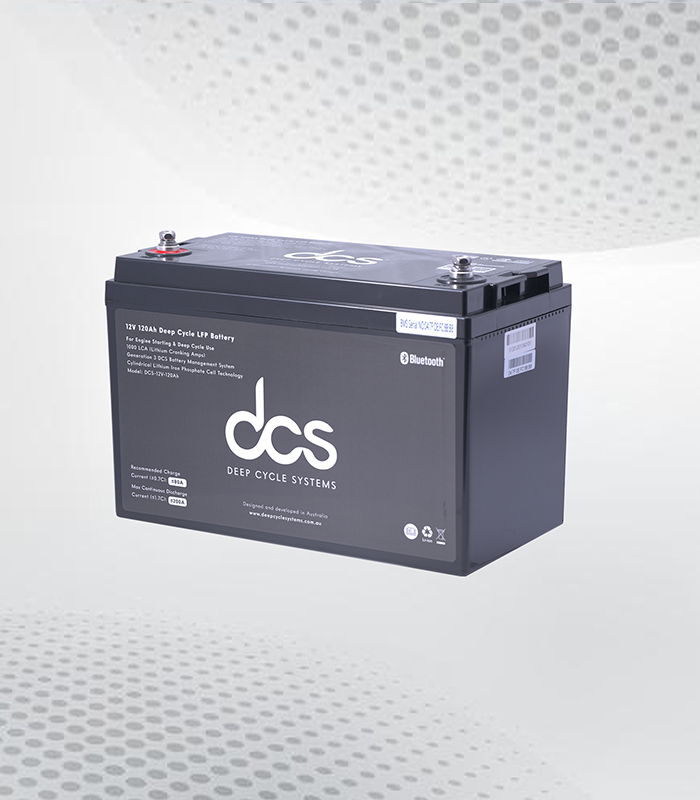
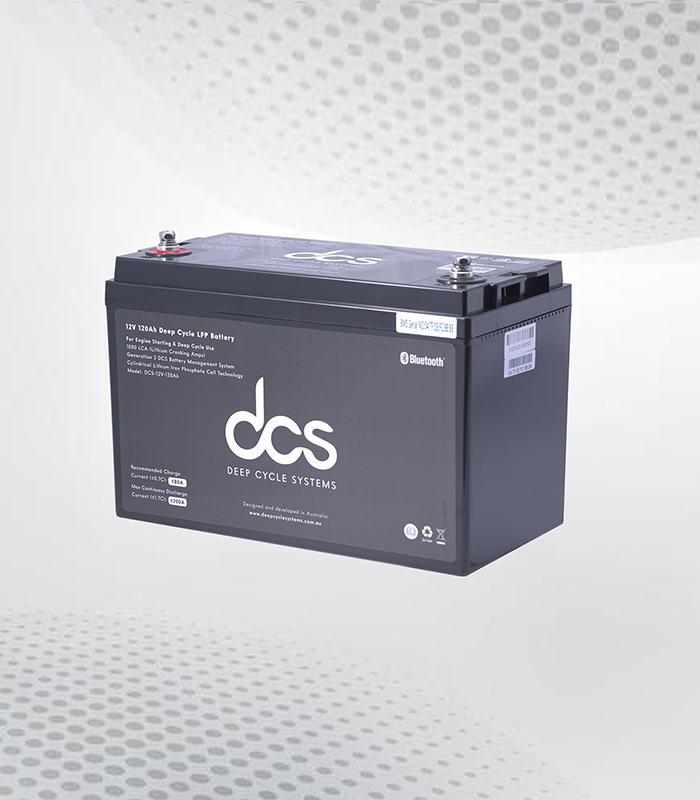 Maintaining your 120ah Deep Cycle Battery is pivotal to ensuring its optimal performance and longevity. Here are some essential tips to help you take care of your battery effectively. Firstly, it’s crucial to keep your battery at a moderate temperature. Extreme cold or heat can adversely affect the battery’s efficiency and life span. Therefore, store the battery in an environment where the temperature is controlled or remains relatively stable.
Secondly, ensure the battery terminals are clean and free from corrosion. This can be achieved by occasionally wiping the terminals with a clean, dry cloth. If any corrosion is present, gently clean the terminals with a solution of bicarbonate of soda and water, but be cautious to prevent the solution from entering the battery.
Regularly monitoring the battery’s charge level is also key. Avoid letting the battery deplete entirely before recharging, as this can strain the battery over time. Instead, aim to recharge the battery when it reaches around 20% capacity. This approach helps promote battery health and ensures it remains ready for use when needed.
Additionally, while the lithium 120-AH battery is designed to withstand deep discharge cycles better than lead-acid batteries, it’s wise to avoid regular deep discharges as they can still stress the battery over extended periods.
Lastly, use the battery management system (BMS) to monitor the battery’s health and performance. The BMS can alert you to potential issues before they become major problems, allowing for preventative measures. Following these maintenance tips will help maximise the efficiency and lifespan of your 120AH deep cycle lithium battery.
Comparing 120AH Lithium Batteries with Other Market Options
Several pivotal distinctions emerge when contrasting 120AH lithium batteries with other market alternatives. One notable comparison is with lead-acid batteries, which have traditionally dominated the market for deep-cycle applications. Lead-acid variants are generally cheaper upfront but lag significantly behind lithium batteries regarding efficiency, cycle life, and maintenance requirements.
Lithium batteries, including the 120AH version, offer a vastly superior energy density, allowing for a lighter and more compact solution that can deliver the same or higher power levels. This makes them particularly advantageous for mobile applications where space and weight are critical factors.
Another comparison is with newer technologies such as nickel-metal hydride (NiMH) and solid-state batteries. NiMH batteries, whilst more environmentally friendly than lead-acid, still do not match lithium batteries’ energy density or longevity.
They also suffer from a higher self-discharge rate, making them less suitable for long-term storage applications. On the other hand, solid-state batteries represent the cutting edge of battery technology, promising even higher energy densities and safety profiles than current lithium-ion batteries. However, they remain largely in the developmental phase, with high costs and limited availability hindering their immediate adoption for mainstream applications.
Compared to other options on the market, the 120AH lithium battery strikes an optimal balance between performance, longevity, and cost-effectiveness, standing out as the preferred choice for a wide range of energy storage needs.
The Future of Lithium Batteries and Sustainable Energy Solutions
Lithium batteries, such as the 120 Ah variant, are at the forefront of this transformative shift as society marches towards a greener and more energy-efficient future. Their capability to store large amounts of energy in a compact and lightweight form makes them an indispensable ally in harnessing renewable resources. With the global push towards reducing carbon emissions, integrating lithium batteries with solar and wind energy systems presents a viable path to achieving sustainable energy independence.
Advancements in technology are set to further elevate the role of lithium batteries in our energy ecosystem. Innovations in battery chemistry and design are expected to enhance energy density, reduce charging times, and extend lifespan, thus amplifying their efficiency and environmental benefits. Moreover, recycling processes for lithium batteries are improving, addressing previous concerns over resource scarcity and environmental impact.
The expansion of electric vehicle (EV) markets worldwide also underscores the significance of lithium batteries in propelling sustainable transportation solutions. As battery technology progresses, the anticipated cost reduction will make EVs more accessible, accelerating the shift from fossil fuels.
In summary, lithium batteries are pivotal in the transition towards a more sustainable and efficient global energy model. They promise a cleaner, renewable-powered world enriched by technological innovation and environmental stewardship.
Efficient Power for All: The 120AH Battery Revolution
The dawn of the 120AH lithium battery represents an evolution in energy storage solutions and a revolution that democratises efficient power for many applications. With this technological leap, energy storage transcends traditional limitations, offering unprecedented flexibility and autonomy in how individuals and communities access and use power. The advent of the 120AH battery is instrumental in bridging the gap between the burgeoning demand for sustainable power solutions and the practicalities of day-to-day energy needs.
This revolutionary battery type empowers users to harness renewable energy sources more effectively, significantly contributing to the reduction of carbon footprints on a global scale. The enhanced storage capacity and rapid charging times ensure that energy harvested during peak periods does not go to waste but is readily available when demand surges.
Moreover, the 120AH battery revolution is set to play a pivotal role in advancing electric vehicles (EVs), offering longer ranges and shorter charging intervals, thus making sustainable transportation more accessible to the masses. This technology promises to provide reliable, clean energy where traditional grid infrastructure is lacking or non-existent, profoundly impacting remote and underdeveloped regions.
In essence, the 120AH lithium battery ushers in a new era of energy independence, making efficient power accessible to all, and marking a significant stride towards a sustainable future.
Conclusion
The emergence of the 120 Ah lithium battery marks a significant milestone in energy storage technology, propelling us towards a future where efficient, sustainable power is more accessible. Its superior performance characteristics, such as enhanced energy density, swift rechargeability, and enduring lifespan, distinguish it as an optimal choice for various applications. For that pursuing off-grid living, renewable energy integration, or a reliable power backup, the lithium 120 Ah batteries stand as a testament to the advancements in battery technology. As we navigate towards this sustainable horizon, the role of lithium batteries, particularly the 120 Ah variant, becomes increasingly pivotal, illuminating the path to energy independence and environmental stewardship.
FAQs
How long can I expect a 120 Ah lithium battery to last?
The durability of a 120 Ah lithium battery largely hinges on its utilisation, the frequency and manner of its charge and discharge cycles, and how well it is maintained. Typically, with diligent care, these batteries can provide service for approximately 5 to 10 years. Adherence to recommended maintenance practices significantly contributes to maximising the battery’s lifespan.
Is a 120-Ah lithium battery suitable for powering my caravan or boat?
The 120 Ah lithium batteries is an exemplary choice for powering caravans, boats, and similar marine applications. Its advantages, including a compact and lightweight structure, superior energy storage capacity, and expedited charging abilities, align perfectly with off-grid living and mobile power requirements, offering a reliable and efficient energy solution.
How should I maintain a 120-Ah lithium battery in top condition?
Maintaining a 120-Ah lithium battery in prime condition involves a few key practices. It is crucial to regularly monitor the battery’s voltage and charge levels to prevent excessive discharging or overcharging. Keeping the battery clean and shielded from dust and debris and storing it in an environment that avoids extreme temperatures and direct exposure to sunlight are essential steps. These actions are instrumental in preserving the battery’s performance and prolonging its operational life.
| Other Good Articles to Read |
| Blogs-Nation |
| Blogs-Peoples |
| Bryan Smith Blogs |
| intellect blogs |
| the fault in our blogs |
| oz forums |
| recruitment blogs |
| zet blogs |
| id blogs |
| Blog Studio legale |
| blogs map |
| Related Business Listings |
| Directory Submissions |
| Regional Directory |

